
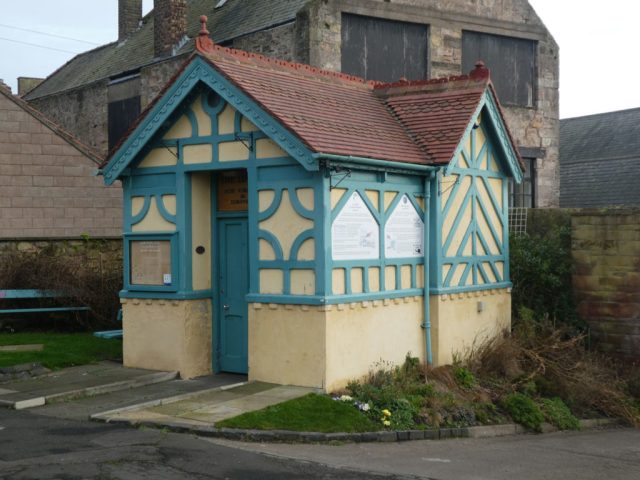
Bankhill ladies toilets, Berwick upon Tweed. © Historic England.
Ladies loo listing reveals historical gender imbalance of spending a penny – and a look at more listed lavs
The recent Grade II listing of a pair of Victorian and Edwardian women’s public toilets in Berwick and Seaburn in the North East has offered a reminder of the social history of gender imbalance.
Most toilets in the late 19th and early 20th centuries were designed for men only, while women were restricted by what some historians have termed the ‘urinary leash’ – forcing them to stay close to home.
Although public loos began appearing in workplaces, railway stations, parks, shops, pubs and restaurants in the second half of the 19th century the vast majority of them were strictly for men only.
Ladies lavatories first appeared at the end of the 19th century when businesses realised that women had spending power and accordingly the Bank Hill ladies public convenience in Berwick upon Tweed opened in 1899 with the public conveniences on Seaburn seafront in Sunderland following somewhere between 1901 and 1904.
Both are historically significant as they are each rare early examples of lavatories that catered for women.[…]
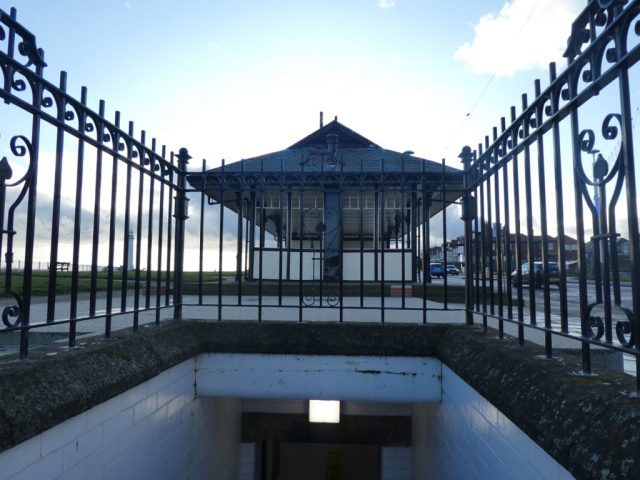 Entrance to Public Conveniences in Seaburn ©Historic England

 msamba