
Courtney Ismain
Jul 5, 2019·2 min read
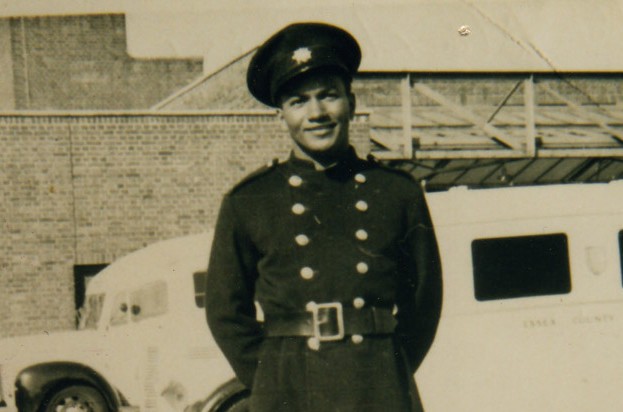
A defender of black social progression
When the government invited subjects of their Caribbean colonies to work in Britain following the Second World War, they expected them to return home after a few years. In other words, they hoped they would rebuild the mother country and disappear overseas once more. Instead, these West Indians stayed and built lives in England, making waves in the social, political, cultural and economic progress of the nation. Like the black nurses of the NHS, many Black Britons have been central to the physical wellbeing of the society we know today.
Frank Bailey, a political activist, arrived in Britain from Guyana in 1953. He joined the West Indian Standing Conference, and when he heard that London’s fire brigades weren’t hiring black people, he decided to challenge the system by applying for a job. Speaking in 2007, he said,
“I was told that the authorities were not hiring black men because they were not strong enough physically or well enough educated to do the job. I immediately recognised racism and said I’m going to apply to be a firefighter and see if they find me unfit. I saved a fellow firefighter’s life when he fainted while we were on the fifth floor of a ladder drill session. I brought him down to the ground in a fireman’s lift. The guy’s weight was 16 stone and he was 6’2.”
Bailey was accepted at Silvertown Fire Station and became the capital’s first black firefighter.
According to a friend, Bailey was consistently passed over for promotions, and so in 1965 he left to become one of Kensington and Chelsea council’s first black mental health officers and psychiatric social workers.[…]

 msamba