
Find out what makes Britain’s towns and cities so appealing to red foxes and if they deserve the bad rap they receive.
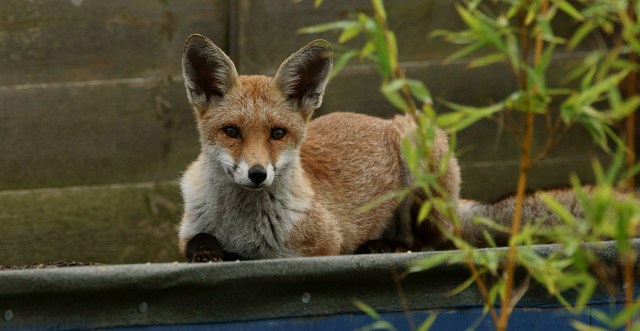 Red foxes have been documented in Britain’s urban areas since the 1930s © Peter Trimming via Flickr (CC BY 2.0)
Foxes are one of the most recognisable wild animals in Britain. These wily animals are extraordinarily adaptable and as at home in urban and suburban areas as they are in the countryside.
There are many species of fox thriving around the world, from scorching deserts to the Arctic. The most widespread is the red fox (Vulpes vulpes), thought to be the first and most common non-domestic carnivore in cities all around the world.
Discover what makes urban spaces so appealing to the iconic red-furred fox.
What do urban foxes eat?
Foxes are part of the Canidae family – the same group as wolves and domestic dogs. Foxes are categorised as carnivores (sitting within the order Carnivora), but will eat almost anything.
Rural red fox diets are around 95% meat, and supplemented with insects, worms and fruit. In urban areas meat only makes up around half of their diets, the other half being household refuse.
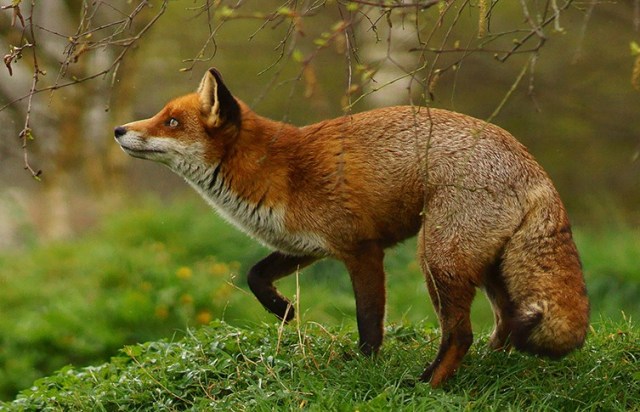 Red foxes seem to be as at home in urban areas as they are in the countryside © Peter Trimming via Flickr (CC BY 2.0)
Foxes have developed strong stomachs and immune systems, so they’re unlikely to be affected by rotting food scraps. Urban foxes primarily scavenge for food, but when they hunt it is usually for birds or small mammals such as rats and mice, helping to keep rodent numbers under control.
The Fox Project, a UK-based charity dedicated to protecting the red fox, state that in 26 years of work and 12,000 foxes rescued, they are ‘yet to find a starving adult fox’.[…]
Continue reading: The secret life of urban foxes

 msamba