
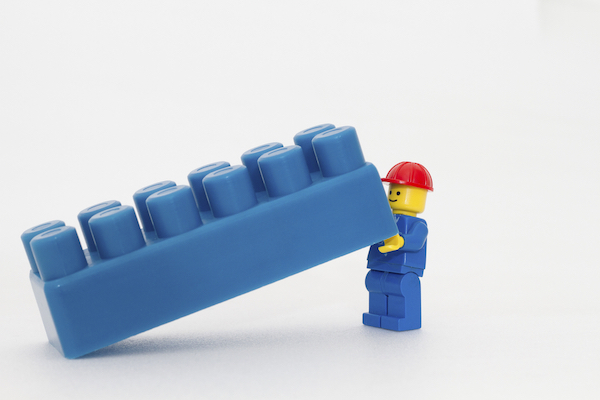
LEGO’s painful past serves as an inspiring tale for businesses spanning eras, most certainly those struck by the pandemic.
Its ability to be knocked over to create something entirely new provides a lesson no matter the period. Today, it could inspire businesses struck by financial uncertainty and the pandemic. But it could have very well been a metaphor for the creation of the LEGO, along with the tragedies that forced LEGO founder Ole Kirk Christiansen to overturn his worldview.
After two fires—the first taking out his shop in 1924 and the second demolishing his factory in 1942—and a loss of available resources after World War II, Christiansen turned to plastic and began experimenting with the manufacture of toys.
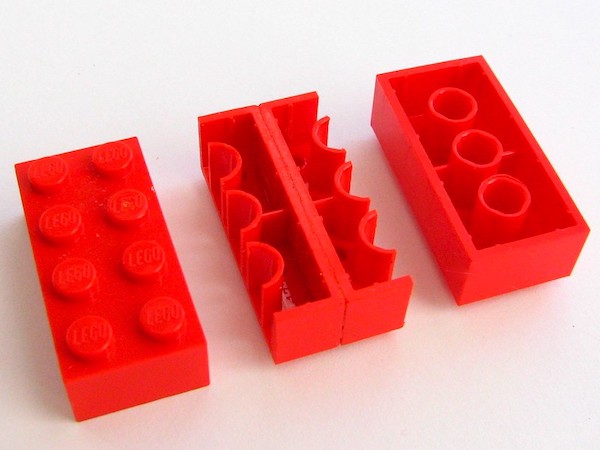
Building Blocks
Before even getting close to inventing the LEGO, Ole Kirk Christiansen was a carpenter happy to build wooden furniture like ladders, ironing boards, and stools. Alas, just as he was seeing beginnings of a successful future from his craft, his sons accidentally set some wood chips in his shop on fire, which wiped out not only his place of business but also the family home.
In 1942, a second fire engulfed Christiansen’s factory. There was also a shortage in traditional manufacturing materials for consumer goods after World War II. This time, however, Christiansen was armed with the resilience and preparedness to rise from the situation. He turned to plastics as an affordable alternative for production.
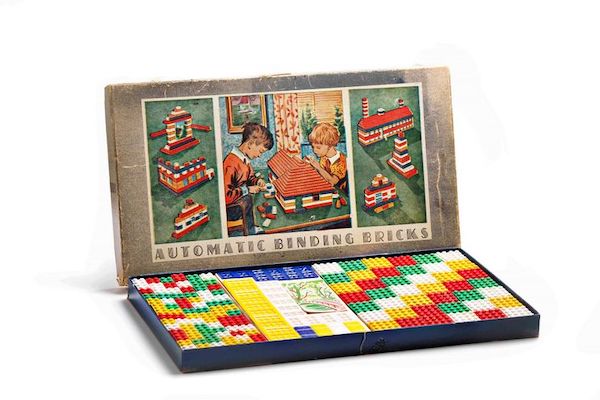
By 1949, the company was ready with its first LEGO-like toy, the Automatic Binding Bricks.
The LEGO block, as you know it, arrived in 1955. If you tried connecting a modern-day LEGO to the very first brick, you’d see that they fit perfectly.[…]
More: Did You Know: LEGO Started Because Of A Fire? – DesignTAXI.com

 msamba