
BY LIAM WARD NOVEMBER 13, 2024
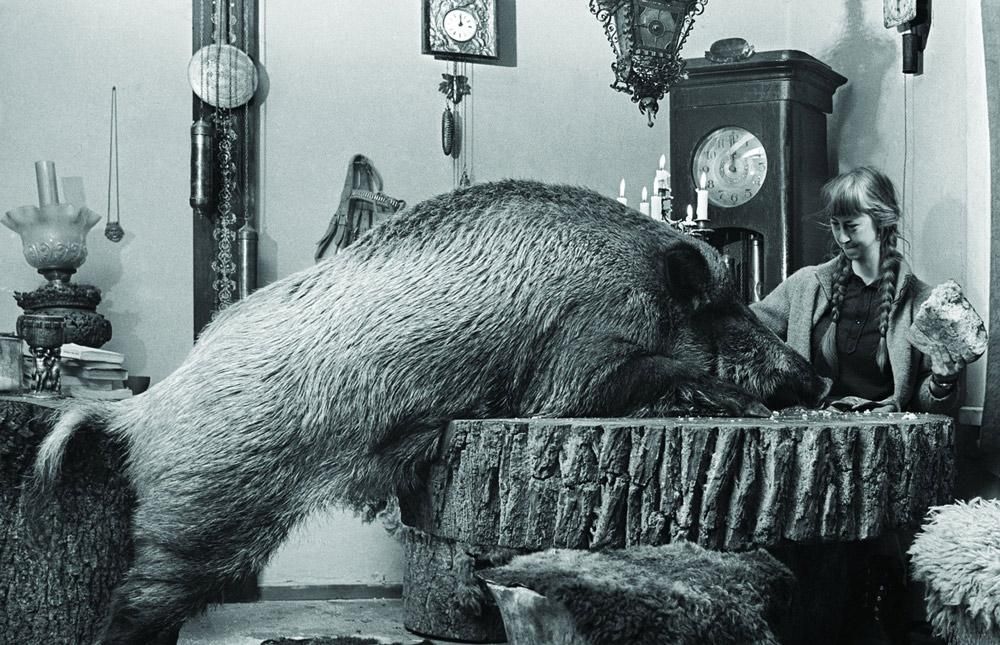
Deep inside one of the last remaining primeval forests in Europe, in-between Belarus and Poland, stands an old hunting lodge straight out of a fairytale. For over 30 years, ecologist Simona Kossack lived in this secluded glade without amenities nor electricity or running water and with an unusual band of forest friends. There was a crow with kleptomania, a lynx named Agatka, and a 400lb female boar called Froggy. The descendant of a renowned lineage of artists from Poland, she had chosen naturalistic seclusion and the language of the forest over the modern world. Her own family would become the animals that surrounded her and she would spend a lifetime studying and befriending them as she attempted to understand and preserve their decreasing habitat. Simona would document her life in film and write about the natural world as she attempted to convey the importance of our fragile connection with nature.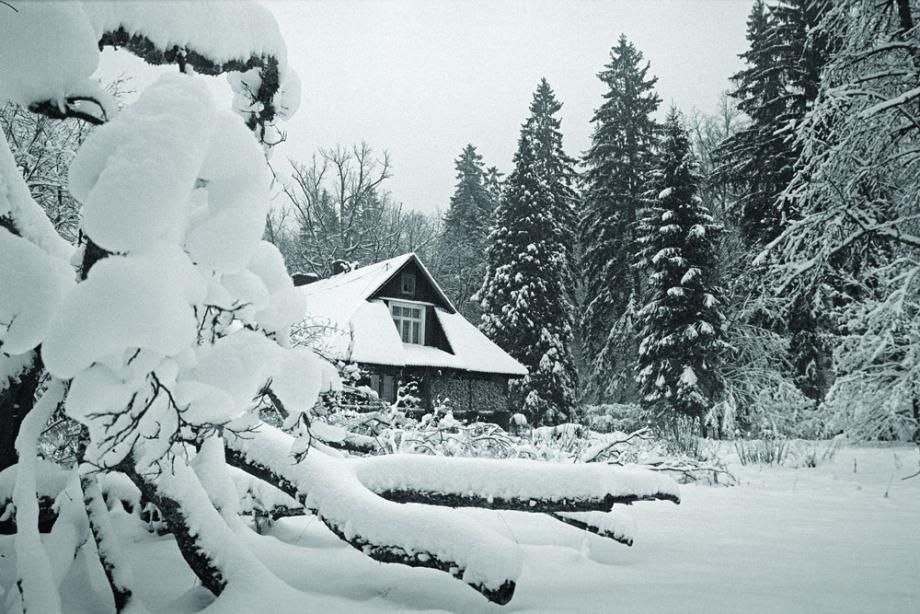
What makes us seek seclusion? hHistory is littered with tales of people severing ties with their present and seeking something more primal that existed in their genetic past. Various Writers, painters, and holy men have all felt the call of the wild, and then there are the people who just didn’t feel that they belonged in their circumstances. Simona Kossack had grown up in a family where creative proficiency was an inherent expectation. Born in 1943 in Krakow, the Kossack’s were disappointed not just in the lack of producing a male heir but Simone had been born with a cleft palette. Communication was difficult and as she grew, they determined she had no discernible creative talent. Simone had been given the title of the black sheep of the family; the outcast. From a young age, she turned away from the expectations and criticisms of her family and found solace in the animals that were plentiful around her rural home. This first tentative connection would be the beginning of her ardor for nature.
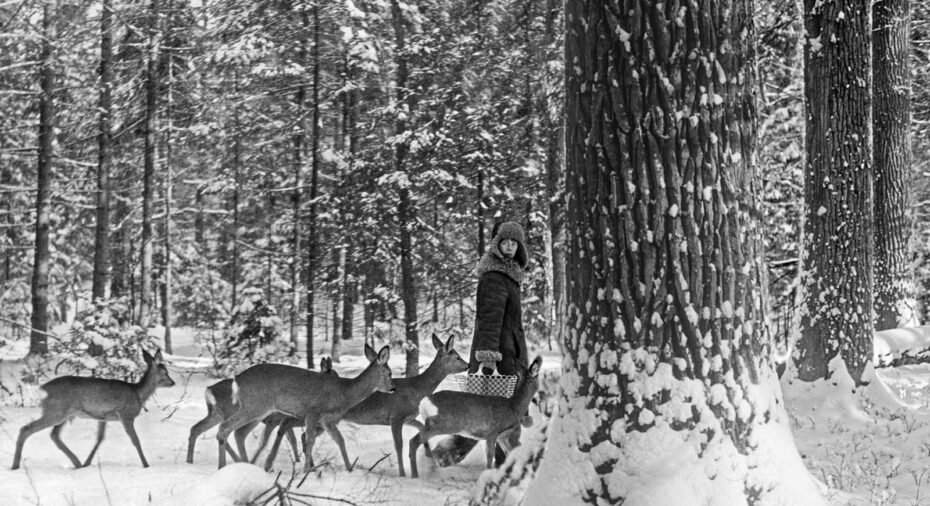
Simone Kossack would struggle through school and forming relationships with people but eventually secured a place at Jagiellonian University in Kraków where she would complete her degree in Zoology and animal behavior in 1970. Her real education would begin when she secured a job with the Mammal Research Institute in Białowieża National Park. This is where she found her seclusion, and her home, a run-down, seemingly haunted hunter’s lodge called Dziedzinka that was in danger of being devoured by the forest. It was surrounded by Aurochs, a now-extinct ancestor of the cow. She fell in love with the place immediately. […]
Continue reading: A Life Less Ordinary with a Real-Life Snow White

 msamba