
January 22, 2024
Books
Photography
Social Issues
Grace Ebert
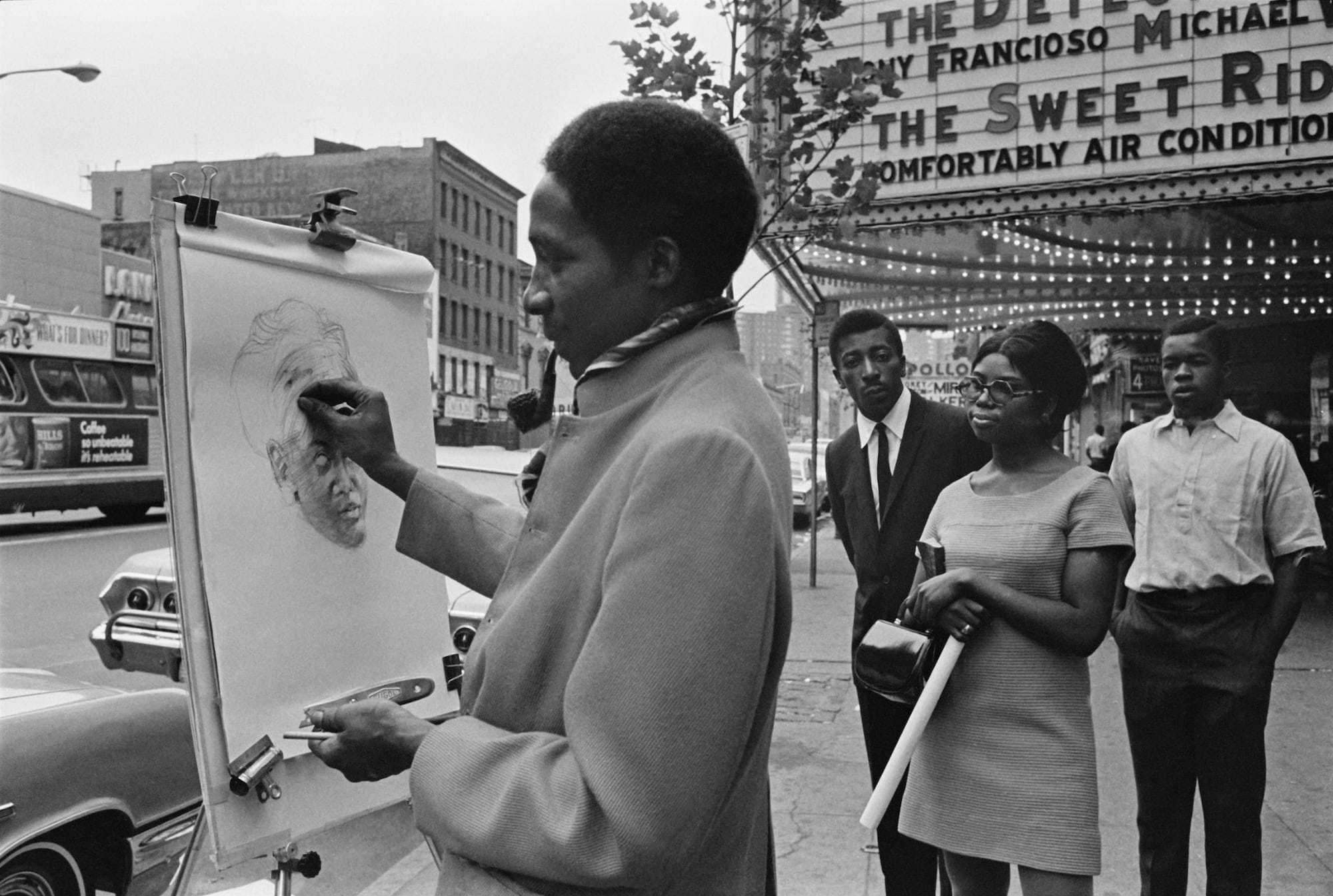 All images from ‘Ernest Cole: The True America,’ Aperture (2023), © 2023 Ernest Cole Family Trust,
‘The True America’ compiles a trove of the influential photographer’s rarely-seen images depicting the Civil Rights era.
In 1966, photographer Ernest Cole packed up his robust collection of negatives and fled his native South Africa.
A Black man living under apartheid, Cole documented the horrific injustices and inequities permeating life around him, from brutal police encounters and segregated spaces to overpacked trains forcing commuters to hang off the sides. The images were clarifying, and when published in 1967 with his first-person writings in the book House of Bondage, they became one of the most influential photo collections of the 20th century, influencing public opinion about apartheid around the world and gaining Cole widespread recognition.

Because of its revelatory nature, the tome sent the photographer into permanent exile and prompted him to settle in New York City, where he lived until his death from cancer in 1990. He was 49 years old.
What quickly became clear to Cole in his adopted home was that his experience as a Black South African living under apartheid was not unlike that of being Black in the U.S. The photos in House of Bondage, he said, “should give readers some feeling of what it is like to be a black man in South Africa. And they may also explain why in, of all countries, I should feel somewhat at home in the United States.”
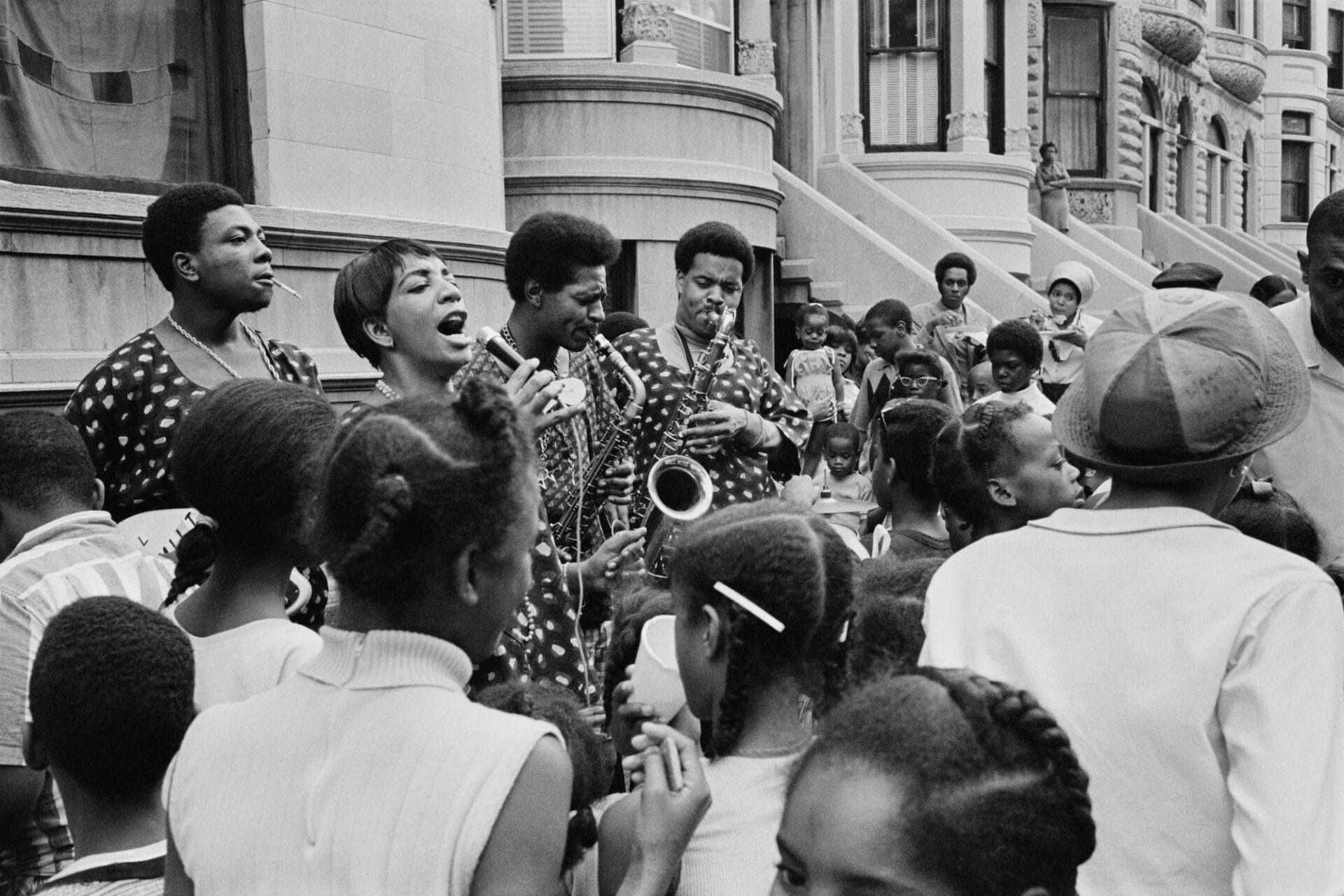
Cole found himself in Civil Rights-era America, after all, and continually drew similarities between his exile and people of the African diaspora. He photographed the residents of Harlem and Midtown before visiting the rural South and other major cities like Chicago, Cleveland, Memphis, and Los Angeles. He always insisted that his ten-month stay in New York City taught him so much about racism in America that the discrimination and hatred experienced in his subsequent travels were no surprise.
During his lifetime, Cole kept this body of work largely secretive, and it was thought to be lost until 2017 when it turned up in Sweden. And now for the first time, the images are compiled in a book published by Aperture that offers a more robust, nuanced look at the influential photographer’s sensibilities.[…]

More: An Insightful Book Reveals Ernest Cole’s Clear-Eyed Photos of Civil Rights America

 msamba