
March 6, 2025
Art
Film
History
Social Issues
Grace Ebert
 All images courtesy of 1504
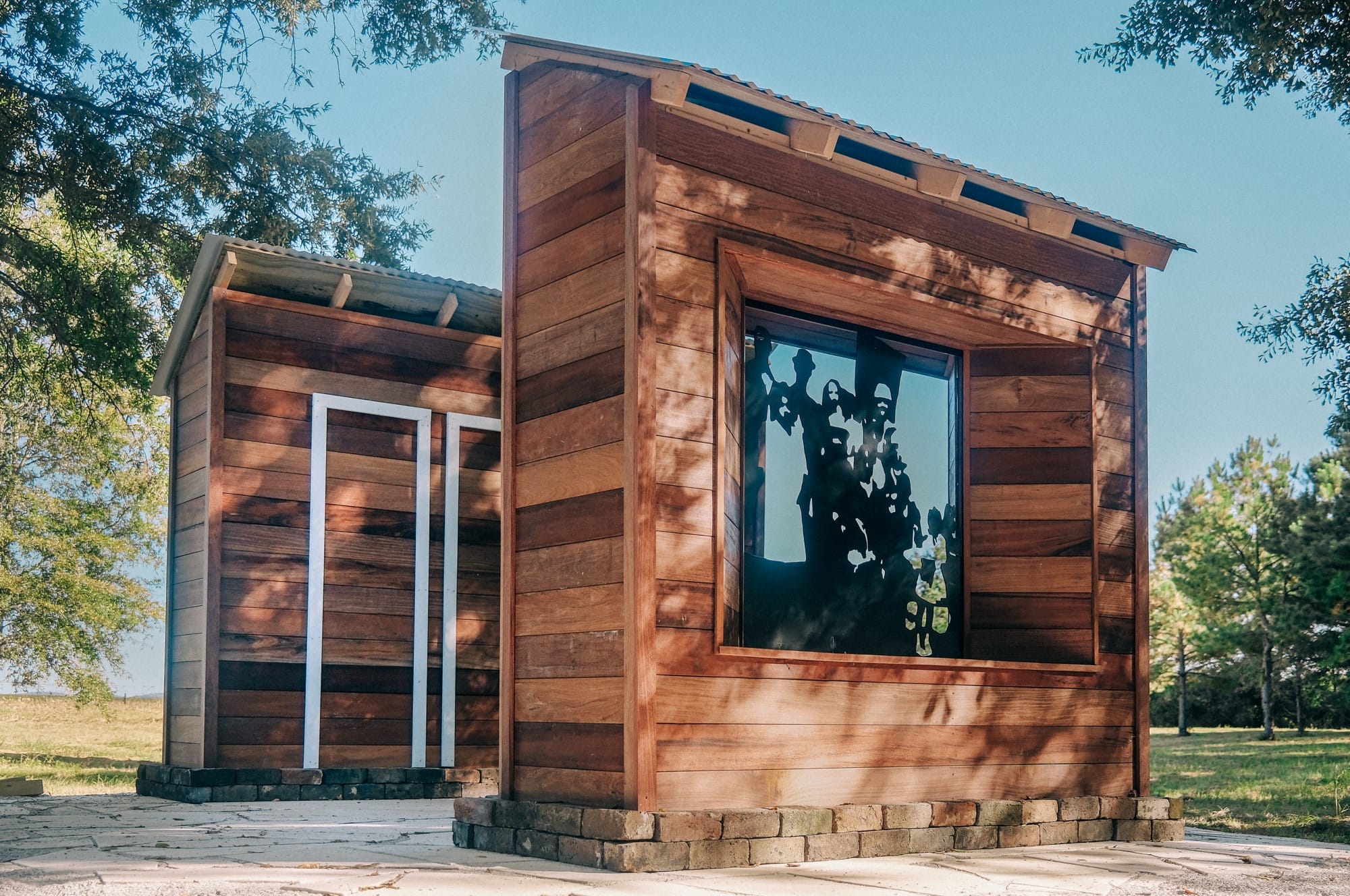
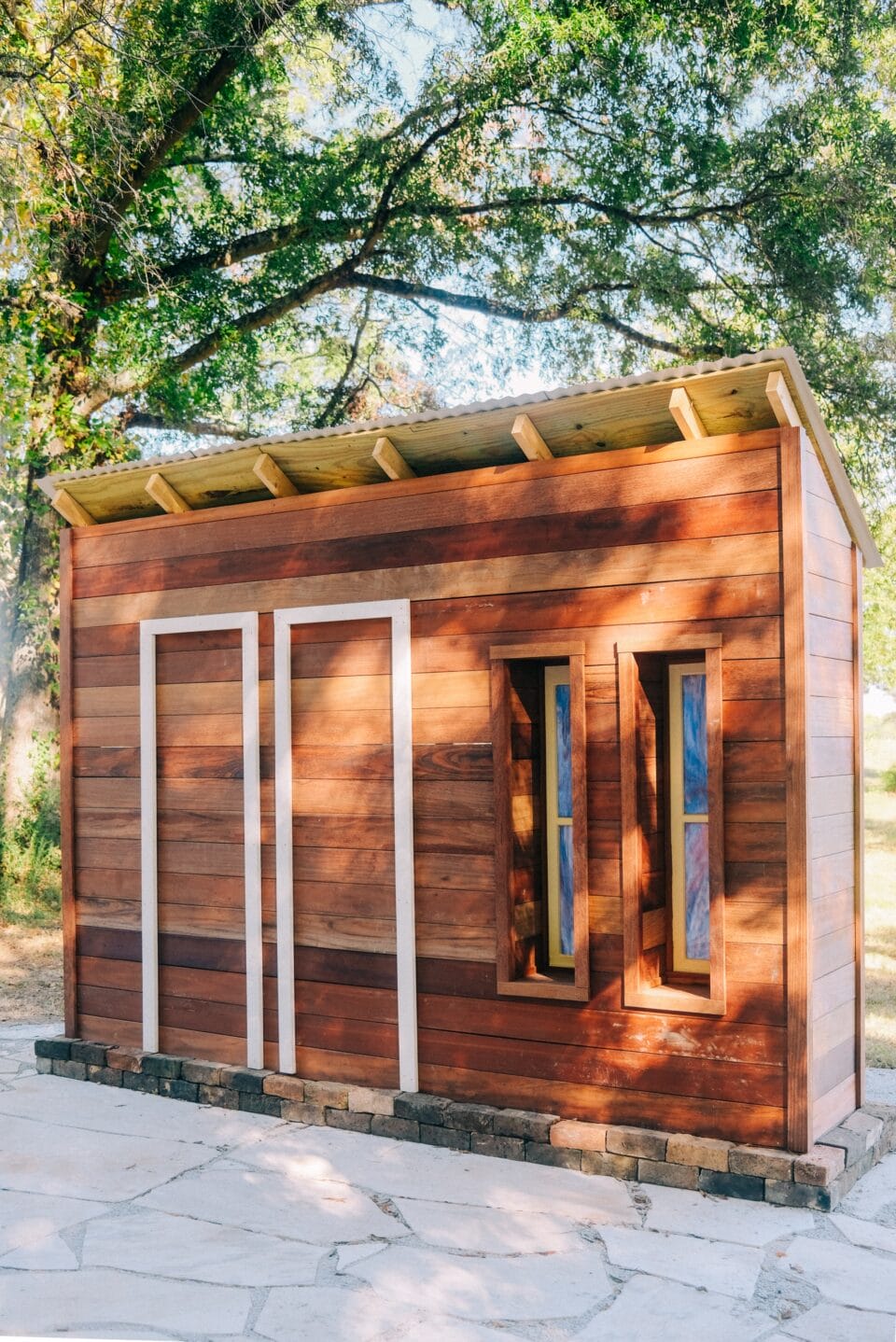
On the site of the former Scott’s Grove Baptist Church, artist Tony M. Bingham has constructed a monumental work of contemplation and reflection. Two wood-paneled walls stand parallel in the serene clearing with stained glass windows, a Sylacauga marble floor, and a steel cutout depicting members who once worshiped on its grounds.
A tribute to local history, Bingham’s work is titled “The Praise House,” which takes its name from the vernacular structures people who were enslaved often built on plantations throughout the Southern U.S. as a space for prayer. “My way of addressing the power and the legacy is to just begin to look at some of the possible sources of opposition that the enslaved community could have participated in,” the artist says.
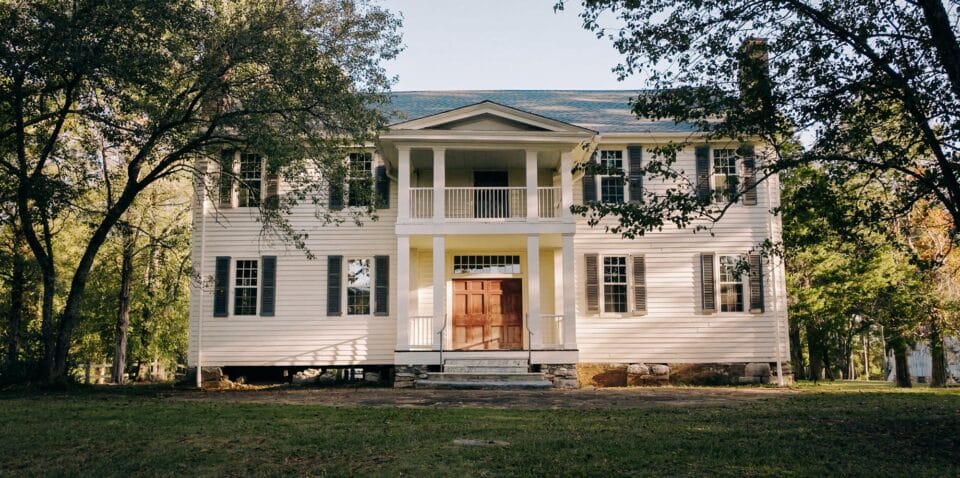
A new short documentary follows Bingham as he visits The Wallace Center for Arts and Reconciliation and installs the work. Located just outside of Birmingham in Harpersville, Alabama, the former plantation house is now a space for healing and reconciliation run by descendants of both the enslaved and enslavers.
Today, the center hosts a variety of art and culture programming to reflect on its history, and “The Praise House” is one such commission. After learning more about the enslaved communities, Bingham wanted to create a work that honored their legacy. “Using organic, repurposed, and cast-off materials, I make art that tells the story of my cast-off people,” he says, adding:
The house was being historically renovated, and planks of lumber were being replaced. I imagined that these old boards were the very surfaces enslaved people walked on or touched, and I sought to bring those materials back together in a way that could inspire reflection on the history of the enslaved people who once lived there.
Directed by Tyler Jones of 1504, the film is a poignant, enlightening glimpse into the lengthy process behind “The Praise House.” Bingham, who is a professor at Miles College in Birmingham, frequently invokes the historical realities of the location and returns to fundamental questions about the purpose of his work and art more broadly. “Who will speak for my people if not the artist?” he asks. “Who will help those outside of the art dialogue to understand the creative potential they possess?”

More: ‘The Praise House’ Shares the Story of a Contemplative Installation on an Alabama Plantation

 msamba