
Director of Nutrition separates fact from fiction at a time when a healthy diet is more important than ever

Nargis Sultana prepares a meal for her child with a supplementary food ration, in Bangladesh. Photo: WFP/Ranak Martin
During the COVID-19 pandemic, maintaining a healthy diet is more important than ever. With major disruptions expected in food systems, ensuring access to nutritious foods is paramount. It’s also critical to dispel myths and misconceptions. Lauren Landis, who joined WFP in 2009, having worked for USAID and Save the Children, is well placed to do that— since 2016 she’s been the agency’s Director of Nutrition. Interview by Ljubica Vujadinovic
Does an apple a day keep the doctor away?
Myths and misconceptions about food and nutrition abound across the world. We all grew up with them, such as grandmothers’ tales about cures for the common cold. Not all myths are harmful, but I think it’s important that people don’t get confused by nutrition. In answer to your question — no!
Sure it is a science, but there is also a lot of common sense in nutrition — most of us have a pretty good idea what sorts of foods make our bodies perform well. However, there are some myths and misconceptions we need to dispel, as they can be damaging at critical times such as now with the COVID-19 pandemic.

What are three key myths about nutrition?
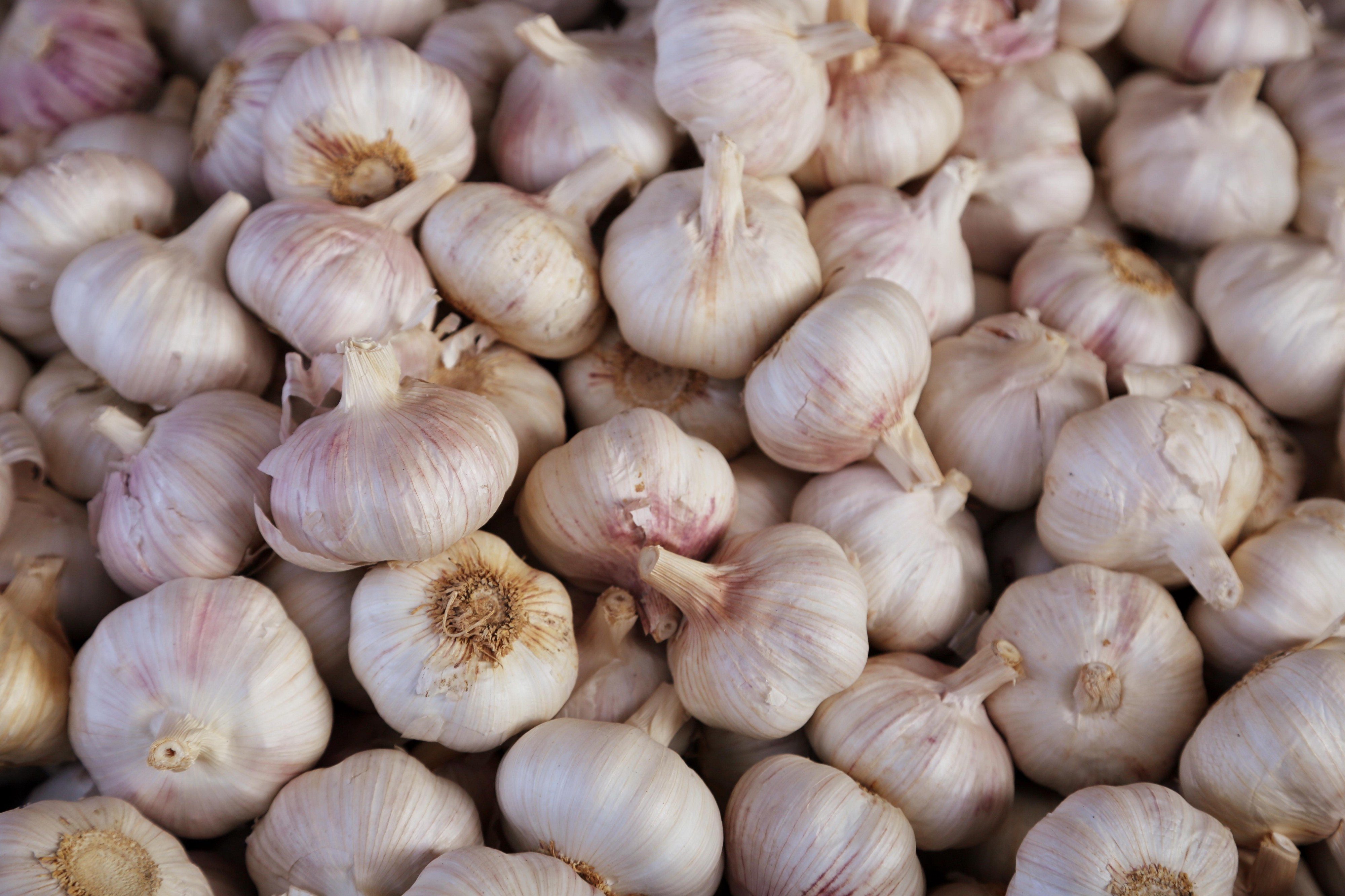
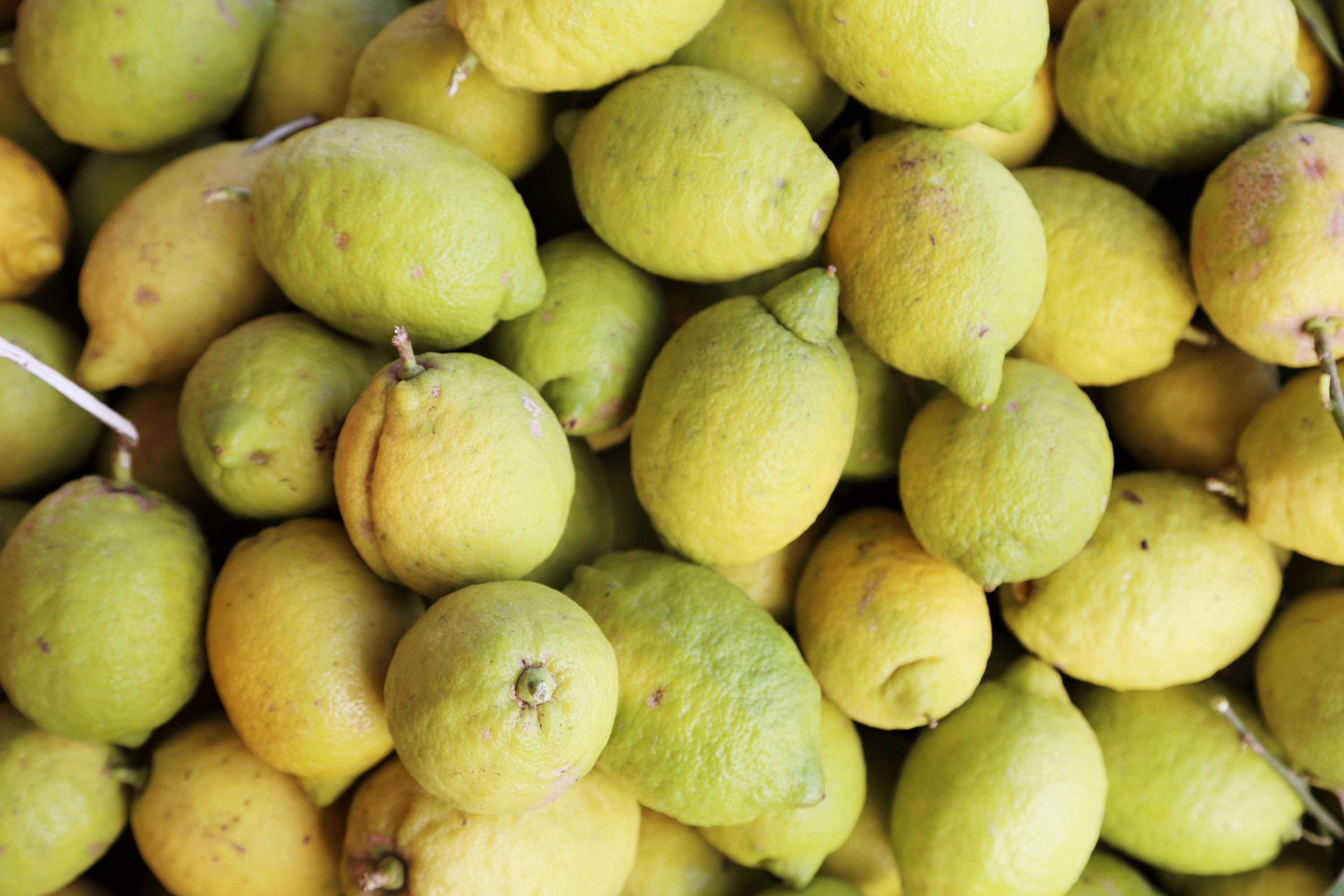
The notion that there is one, single food that can ensure good health. There is so much fake information across digital media spaces claiming particular foods — like garlic, lemon or bananas — can protect us from disease. These are very dangerous myths. A healthy diet is composed of a variety of foods from different food groups: staple foods, such as rice, pasta, grains, roots and tubers; fruits and vegetables; protein sources, such as lentils; as well as moderate amounts of different animal-source foods. Requirements for a healthy diet vary depending on age, gender, activity level and the environment where people live, whether in cold or hot climates. It’s important to remember a healthy diet is a well-balanced one.
Another common myth we encounter in some of the countries WFP works in is that men by default have higher nutrient needs than women. This misconception often results in women eating last and least, especially in times of crisis.
Adolescent girls remain particularly vulnerable to all forms of malnutrition. A pregnant or breastfeeding adolescent girl has the greatest nutrient needs in a family. Failing to meet these needs comes at a very high price — it affects both the adolescent girl, whose body may still be growing, as well as her child’s physical and mental development.
Finally, there is the common misconception that nutrition issues affect only people in developing countries. Every country in the world is affected by at least one form of malnutrition.[…]
Read More: Nutrition myths debunked

 msamba