

A major DNA study has shed new light on the fate of millions of Africans who were traded as slaves to the Americas between the 16th and 19th centuries.
More than 50,000 people took part in the study, which was able to identify more details of the “genetic impact” the trade has had on present-day populations in the Americas.
It lays bare the consequences of rape, maltreatment, disease and racism.
More than 12.5m Africans were traded between 1515 and the mid-19th Century.
Some two million of the enslaved men, women and children died en route to the Americas.
The DNA study was led by consumer genetics company 23andMe and included 30,000 people of African ancestry on both sides of the Atlantic. The findings were published in the American Journal of Human Genetics.
Steven Micheletti, a population geneticist at 23andMe told AFP news agency that the aim was to compare the genetic results with the manifests of slave ships “to see how they agreed and how they disagree”.
While much of their findings agreed with historical documentation about where people were taken from in Africa and where they were enslaved in the Americas, “in some cases, we see that they disagree, quite strikingly”, he added.
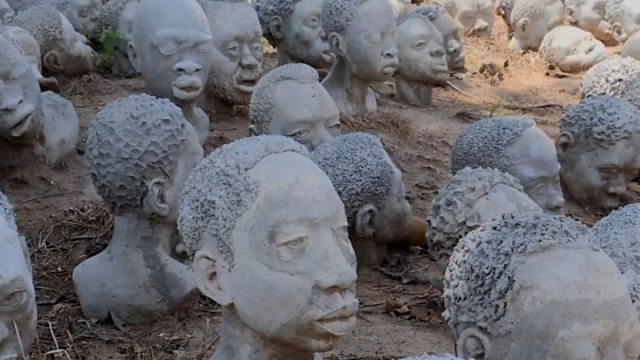
The study found, in line with the major slave route, that most Americans of African descent have roots in territories now located in Angola and the Democratic Republic of Congo.[…]
Continue reading: Genetic impact of African slave trade revealed

 msamba
Reblogged this on The Most Revolutionary Act and commented:
The study found, in line with the major slave route, that most Americans of African descent have roots in territories now located in Angola and the Democratic Republic of Congo.
LikeLiked by 2 people
Thanks!
LikeLiked by 1 person
Yes but African peoples have been connected and living in the UK since Roman times!
LikeLiked by 1 person
Reblogged this on Alexanders' Blog.
LikeLiked by 2 people
Thanks!
LikeLiked by 1 person