
The wrath of the webbing clothes moth. During the yearlong COVID-19 closure, the Getty devoted more than 6,000 hours to eradicating this one insect.

Last March, as the lights went off in museums across California and galleries were shuttered in the first wave of coronavirus closures, a dangerous invader penetrated the Getty Museum in Brentwood. It crept into the darkened, quiet decorative arts galleries, which are filled with ornate furniture, delicate ceramics, rare clocks and intricately woven tapestries and rugs dating to the Medieval period.
And it was hungry.
The interloper was the webbing clothes moth, which feeds on silk, wool and other organic material. The insect infiltrated other parts of the Getty Museum as well, but posed a particular threat to the fragiletextiles and upholstered furniture.
As if COVID-19 shutdowns and the financial fallout weren’t enough, a noticeable uptick in unwanted pests, including insects and rodents, afflicted museums globally during the pandemic. Many insects aredrawn to dark, quiet places. Empty museum galleries provided ideal environments, a feast of riches — quite literally.
The spring start of museum closures compounded the problem in many parts of the world, said Helena Jaeschke, a conservator who runs the British-based Pest Partners, which is dedicated to protecting heritage collections in southwest England.
“Spring is mating season in the Northern Hemisphere for pests, and that coincided with buildings closing down, with skeletal or no staff,” Jaeschke said. “There were no disturbances, like noise or lights, to limit pest activity. It was peak conditions for pests to spread.”
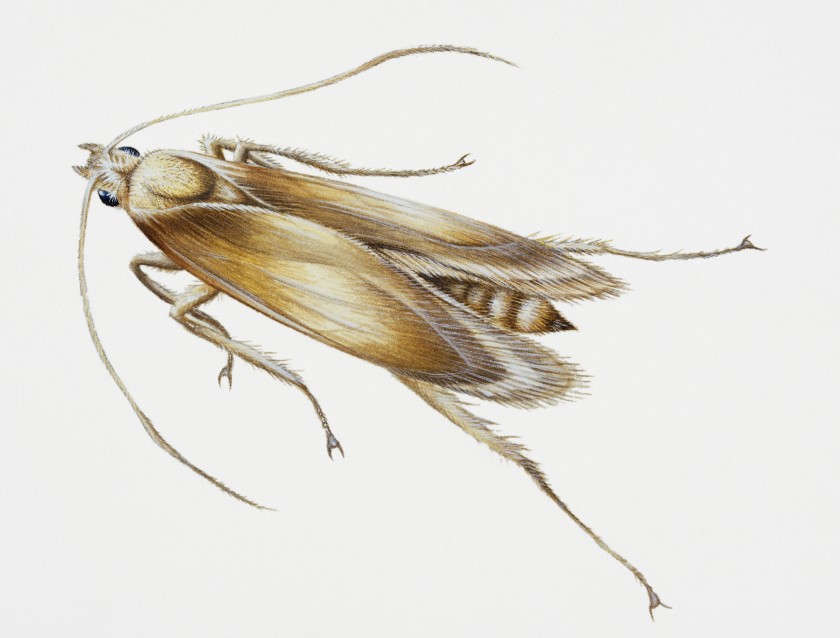
The Getty Museum took advantage of the extended COVID-19 closure to execute an intensive moth remediation program that involved nearly every department and took about 6,000 hours. (The Getty Center in Brentwood remains closed to the public, but the Getty Villa in Pacific Palisades has reopened.) Though the Getty had detected the problem early and did not yet have an infestation, 17th centuryfurniture was disassembled and tapestries and rugs were frozen to kill moths, larvae and eggs.
“Light, insects, humidity and temperature are the most egregious things that cause damage to the art,” said Jane Bassett, the Getty’s senior conservator for decorative arts. “So it was looking at this as a preventive step.”
The Getty noticed the moth uptick in mid-April 2020. It has “zero tolerance” for pests, Bassett said, and typically has about 55 moth traps scattered around the museum for detection purposes, placed inlocations such as storage rooms and galleries. They’re surprisingly low-tech tools to be wielded by one of the world’s wealthiest museums:cardboard sticky traps not unlike a roach motel. Some of them include female clothes moth pheromones to lure the insects.
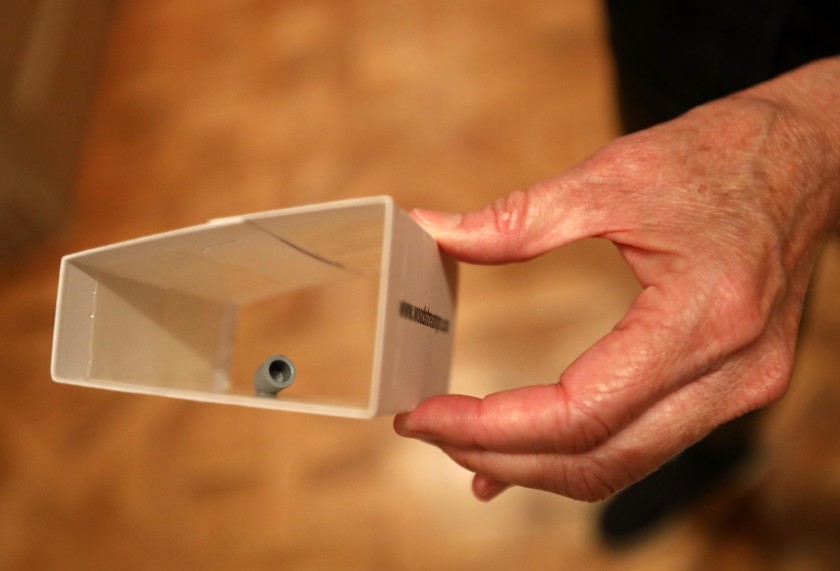
Madeline Corona, assistant conservator of decorative arts and sculpture — whom Getty colleagues nicknamed “the pest maven” during its battle on bugs — makes weekly rounds, checking all the traps. In pre-pandemic times, she would typically see one or two moths every few weeks or months. In April last year, she began repeatedly seeing a few moths in one of the galleries, near an 18th century, pink silk upholstered bed. That number rose to 20 moths in another decorative arts gallery. […]
Continue reading: How does the Getty battle bugs? Squirrel-hair dusters and dental picks, for starters

 msamba