
In South Liverpool, there’s a neighborhood called Granby. It used to be one of the most vibrant and diverse neighborhoods in the UK. It had a busy main street lined with shops and cafes. But starting in the 1960s, the neighborhood began to decline. Over decades, it hollowed out, suffering through unemployment, aggressive policing, and failed redevelopment schemes.
The local government forced residents to sell their homes and then boarded them up. But before the authorities sealed each house, they gutted it. They would strip out the copper, the lead, and everything that was seen to have economic value, along with the toilets and any kind of infrastructure that would make the homes liveable. Then the council would place a sign on the front reading, “All items of value have been removed from this property.”
But a small group of residents would prove those signs wrong. They refused to leave the neighborhood, and they began clearing trash from empty lots, planting community gardens, and painting the boarded up houses in bright colors. Eventually they formed a Community Land Trust, or a CLT. Their goal was to take ownership of the empty houses and bring people back to the neighborhood.
Eventually the CLT realized it might be useful to have some folks on board who knew how to design and build stuff. Which is how a design collective called Assemble got involved. With Assemble’s support, the CLT pushed the local government to stop demolishing the remaining homes and then they worked together to renovate a handful of the old houses.
Granby Rock
As Assemble worked on the renovations, they began experimenting with the debris they pulled out of the old houses. Eventually, they set up a little backyard workshop with an artist named Will Shannon, and together they figured out how to make something they called Granby Rock.
Granby Rock was a kind of rubble terrazzo made from the broken bricks and bits of slate from the old houses. It was mixed together with concrete, poured into molds and then polished smooth. Granby Rock mantlepieces and countertops went into each of the renovated houses. “It just felt important as part of the process of reclaiming the narrative of these houses, of this neighborhood – that actually valuing everything that was there was important,” said Lewis Jones of Assemble.
Spolia
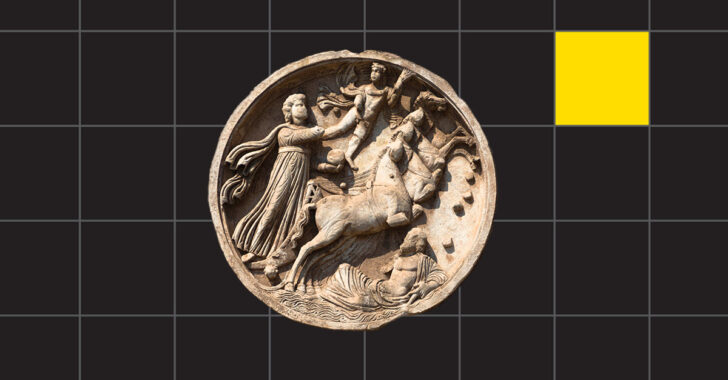
In the world of design, there’s a term that’s used for the practice of taking elements from older buildings and reusing them in new ones. It’s called spolia. What Assemble did in Granby was a version of that. The designers looked at the materials from the old houses and they saw an opportunity to make something new.
Reuse has always been an element of how humans build. But with spolia, the reuse isn’t just practical, it also carries meaning. […]
More: https://99percentinvisible.org/episode/680-spolia/


