
 It is the world’s most-used drug, one many of us simply refuse to live without, opting for addiction over the loss of that first, or second, or in some cases third cup that gets us through the day.
And now its seductive powers, its dark history, its health benefits, and its harmful side effects are on full display in best-selling author Michael Pollan’s new audiobook “Caffeine: How Coffee and Tea Created the Modern World.”
The Lewis K. Chan Arts Lecturer and Professor of the Practice of Non-Fiction has made a career of writing about how the things we consume affect our lives, our health, and our planet (“The Omnivore’s Dilemma,” “How to Change your Mind: What the New Science of Psychedelics Teaches Us About Consciousness, Dying, Addiction, Depression, and Transcendence”). He discussed his latest effort with Radcliffe Institute for Advanced Study Dean Tomiko Brown-Nagin during a Tuesday Zoom talk.
Pollan, who worked on his psychedelics book while a Radcliffe fellow, said he has been obsessed with “this reciprocal relationship we have with plants” and with certain plants’ ability “to change the textures of our experiences of the world” for years. Crafting a piece on caffeine had long been on his to-do list, he said, but he was unaware it would require a precious sacrifice.
As he has done in his earlier work, Pollan became a human test subject for his art, giving up coffee, or more specifically, caffeine, while he worked on the new book in order to truly appreciate its effects on the human body and mind. He said his story’s narrative “demanded it.” Yet, as anyone who has dropped the stimulant from their diet knows, it wasn’t easy.
In his book Pollan recounts the day he finally decided to forgo his routine morning cup, recalling how the “lovely dispersal of the mental fog that the first hit of caffeine ushers into consciousness never arrived. The fog settled over me and would not budge.”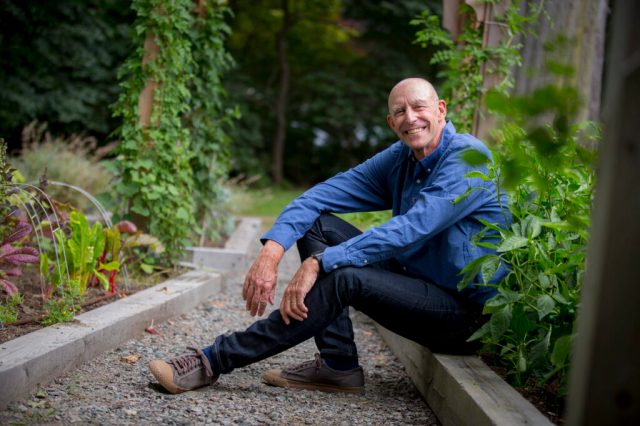
Michael Pollan, who gave up caffeine while writing his book, said he wasn’t aware how addicted he was to the drug.
Rose Lincoln/Harvard file photo
Pollan said he didn’t fully understand how addicted he was to the drug — also known by its scientific name: 1, 3, 7-trimethylxanthine — until he got off it. All the symptoms of caffeine withdrawal were there, he noted, including headaches, fatigue, and perhaps most insidious for a writer trying to tell a compelling story, difficulty concentrating.
As his work progressed, he also realized that because caffeine is so ubiquitous — more than 90 percent of people on the planet consume it daily, and we even regularly allow children to have the drug in the form of soda — constant personal caffeination “has simply become baseline human consciousness.”[…]
Continue reading: How caffeine changed the world – ScienceBlog.com

 msamba