
By Jessica Stewart on November 2, 2017
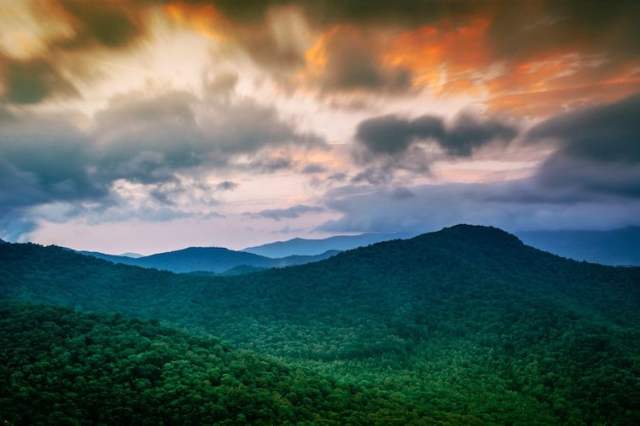 Photo: Jorge Illich-Gejo
Conservation International is starting a six-year reforestation project in Brazil to plant 73 million trees in the Amazon Rainforest.
In an increasingly urgent race to combat rising climates and CO2 emissions, Conservation International is turning to our greatest weapon—the Amazon rainforest. A bold new project by the non-profit aims to be the largest tropical reforestation initiative in history, with 73 million trees to be planted over 6 years.
By strategically planting in an area of Brazil known as the “arc of deforestation,” the goal is to transform 70,000 acres of cleared pasture back into the lush tropical forest of the past. Even with an increased awareness about the importance of the Amazon rainforest, scientists are concerned that 20% may be deforested over the next 20 years, this in addition to the 20% that was already destroyed in the last 40 years. This makes Conservation International’s ambitious project all the more necessary.
“If the world is to hit the 1.2°C or 2°C (34.16°F or 35.6°F) [degrees of warming] target that we all agreed to in Paris, then protecting tropical forests in particular has to be a big part of that,” M. Sanjayan, CEO of Conservation International, warns. “It’s not just the trees that matter, but what kind of trees. If you’re really thinking about getting carbon dioxide out of the atmosphere, then tropical forests are the ones that end up mattering the most.”
In fact, if deforestation were to cease altogether, forests could absorb up to 37% of our annual carbon emissions. To make a lasting impact, Conservation International has researched a well thought out process to ensure they hit their targets. It’s a new, more efficient planting technique known as muvuca, in which hundreds of native tree seeds from a variety of species are planted over every inch of the deforested land.
The seeds used are from the Xingu Seed Network, which has acted as a native seed supply for over 40 organizations since 2007. Their network of over 400 seed collectors are typically indigenous women and local youth, therefore providing employment opportunities as well as environmental conservation.[…]

Continue reading: 73 Million Trees to Be Planted in World’s Largest Reforestation Initiative

 msamba