
Senior Research Fellow in Global Health, University of Southampton
The western world has written plenty about its high-profile COVID vaccines: the mRNA products of Pfizer and Moderna, viral-vectored jabs from AstraZeneca and Johnson & Johnson, and those that are just emerging, such as Novavax’s protein-based vaccine. Many countries are relying on them for protection.
But not Cuba. It’s been quietly working on its own vaccines, immunising its population and selling doses abroad.
Cuba’s vaccine efforts have maintained a relatively low profile in the west to date. Politics may well be a reason. The US embargo against Cuba that began in the cold war is still in effect, and tensions between the countries remain high.
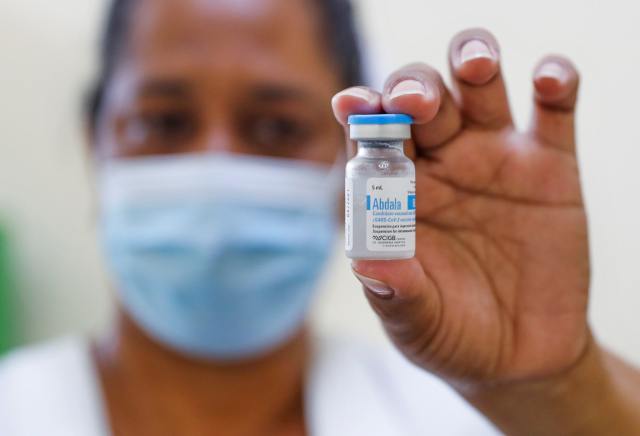
But for those familiar with Cuba, its COVID vaccine development should come as no surprise – the country has a long history of manufacturing its own vaccines and medicines. Nor should it be surprising that two of its COVID vaccines – Abdala and Soberana 02 – appear to have performed very well in trials. Here’s how they work.
Abdala is a protein subunit vaccine, which is a well-established design. The hepatitis B vaccine and Novavax COVID vaccine use this approach. These vaccines work by delivering just a portion of the virus that they’re targeted against – in the case of Abdala, bits of the coronavirus’s spike proteins, which cover its exterior.
The proteins used in the vaccine aren’t taken from the coronavirus directly. Instead, they’re grown in cells of a yeast(Pichia pastoris) that have been specially engineered.
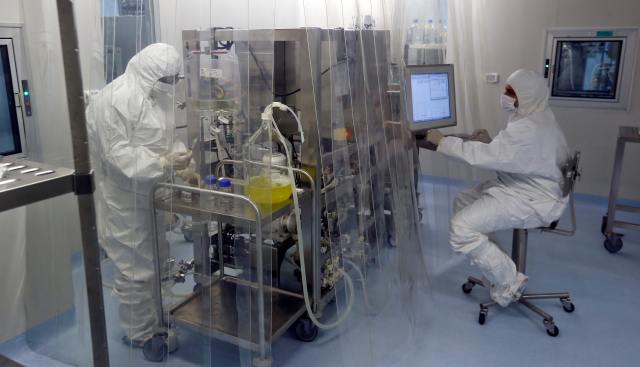
On their own, the portions of spike protein are harmless. But when the immune system encounters them, it still trains itself to recognise and destroy them. If the full coronavirus is then encountered in the future, the body will attack these outer parts of the virus and quickly destroy it. Abdala is given in three doses.
The other Cuban COVID vaccine, Soberana 02, uses a “conjugate” design, along the lines of meningitis or typhoid vaccines. It contains a different part of the spike protein to Abdala and generates an immune response by attaching (conjugating) this to a harmless extract from the tetanus toxin. When the body encounters these linked together, it launches a stronger immune response than it would to either alone.[…]
Continue reading: Cuba’s COVID vaccines: the limited data available suggests they’re highly effective


That is very interesting. This might even open a possibility for us to get vaccinated. I read the ingredients list of three others: no thank you.
LikeLiked by 1 person
I’ve had two doses of Astra Zeneca and a Pfizer booster and considered the risks associated with catching covid or passing it on to vulnerable friends outweighed those of the vaccine. But then I have to mix with many strangers…
LikeLiked by 1 person
Yes, you are in a different situation. We are retirees and do not meet many different people. We had an antibody test made, which was negative, so we never had it, or at least not lately.
LikeLiked by 1 person
That’s good to hear (long may it remain the case)!
LikeLiked by 1 person
Thank you very much! We are taking good care of ourselves and our immune system.
LikeLiked by 1 person