
Ph.D. Candidate in Food Science, Colorado State University
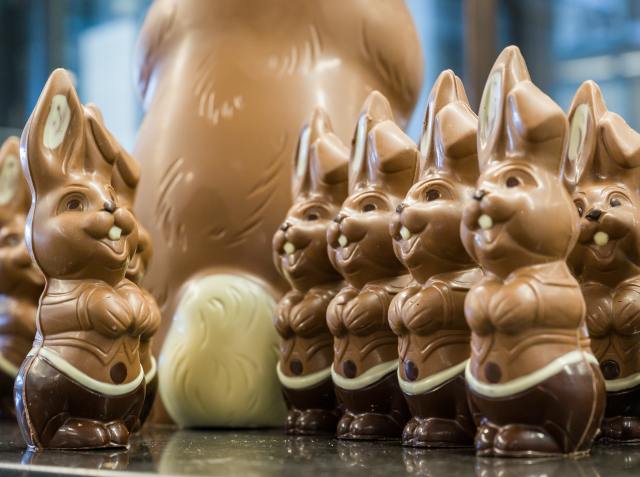 Sauerkraut, sourdough, beer…and chocolate? They’re all fermented foods that rely on microbes of various types to transform the flavor of their raw ingredients into something totally different.
Whether baked as chips into a cookie, melted into a sweet warm drink or molded into the shape of a smiling bunny, chocolate is one of the world’s most universally consumed foods.
Even the biggest chocolate lovers, though, might not recognize what this ancient food has in common with kimchi and kombucha: its flavors are due to fermentation. That familiar chocolate taste is thanks to tiny microorganisms that help transform chocolate’s raw ingredients into the much-beloved rich, complex final product.
In labs from Peru to Belgium to Ivory Coast, self-proclaimed chocolate scientists like me are working to understand just how fermentation changes chocolate’s flavor. Sometimes we create artificial fermentations in the lab. Other times we take cacao bean samples from real fermentations “in the wild.” Often, we make our experimental batches into chocolate and ask a few lucky volunteers to taste it and tell us what flavors they detect.
After decades of running tests like this, researchers have solved many of the mysteries that govern cacao fermentation, including which microorganisms participate and how this step governs chocolate flavor and quality.
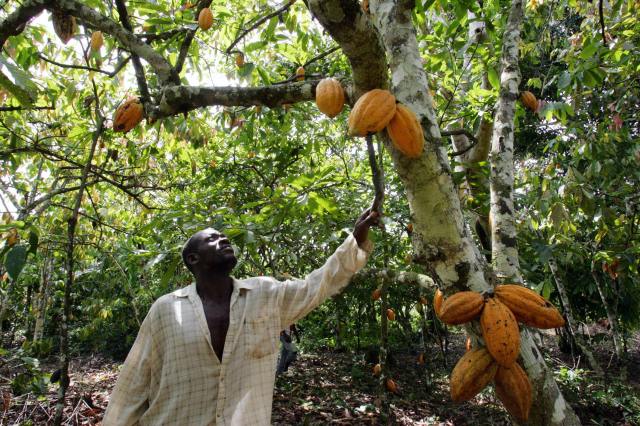 A plantation owner in Ivory Coast checks the pods on one of his cacao trees. Issouf Sanogo/AFP via Getty Images
From seed pod to chocolate bar
The food you know as chocolate starts its life as the seeds of football-shaped pods of fruit growing directly from the trunk of the Theobroma cacao tree. It looks like something Dr. Seuss would have designed. But as long as 3,900 years ago the Olmecs of Central America had figured out a multi-step process to transform these giant seed pods into an edible treat.
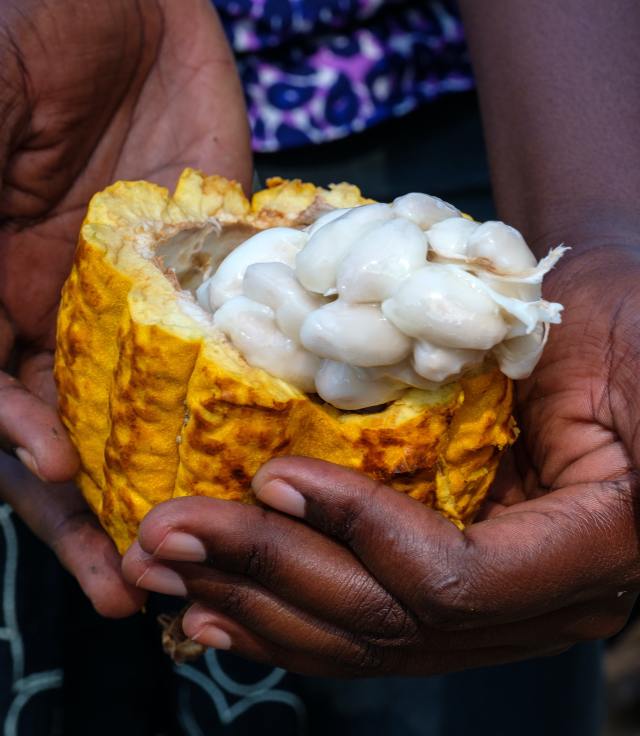
Inside the pods are seeds and pulp. Camille Delbos/Art In All of Us/Corbis via Getty Images
First, workers crack the brightly colored fruit open and scoop out the seeds and pulp. The seeds, now called “beans,” cure and drain over the course of three to 10 days before drying under the Sun. The dry beans are roasted, then crushed with sugar and sometimes dried milk until the mixture feels so smooth you can’t distinguish the particles on your tongue. At this point, the chocolate is ready to be fashioned into bars, chips or confections.
It’s during the curing stage that fermentation naturally occurs. Chocolate’s complex flavor consists of hundreds of individual compounds, many of which are generated during fermentation. Fermentation is the process of improving the qualities of a food through the controlled activity of microbes, and it allows the bitter, otherwise tasteless cacao seeds to develop the rich flavors associated with chocolate. […]
Continue reading: Chocolate’s secret ingredient is the fermenting microbes that make it taste so good


