
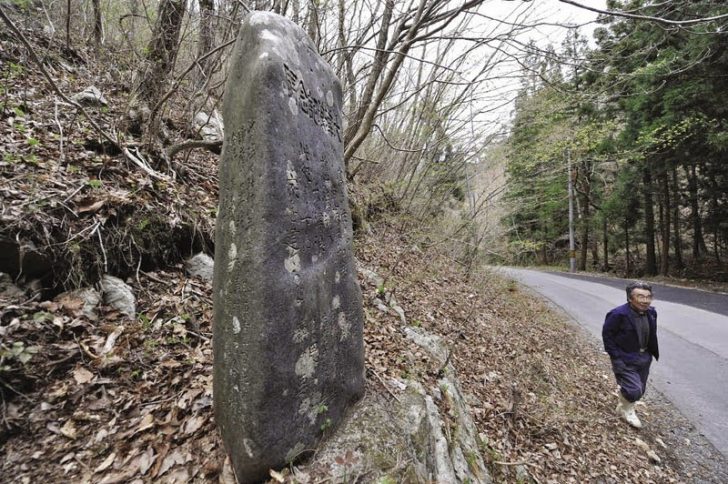
Residents of Aneyoshi, Japan, heeded the warnings of their ancestors. They obeyed directions and wisdom found on a local stone monument: “Do not build any homes below this point,” it reads. “High dwellings are the peace and harmony of our descendants. Remember the calamity of the great tsunamis.” When the 2011 Tōhoku earthquake and tsunami devastated Japan, this village sat safely above the high water mark.
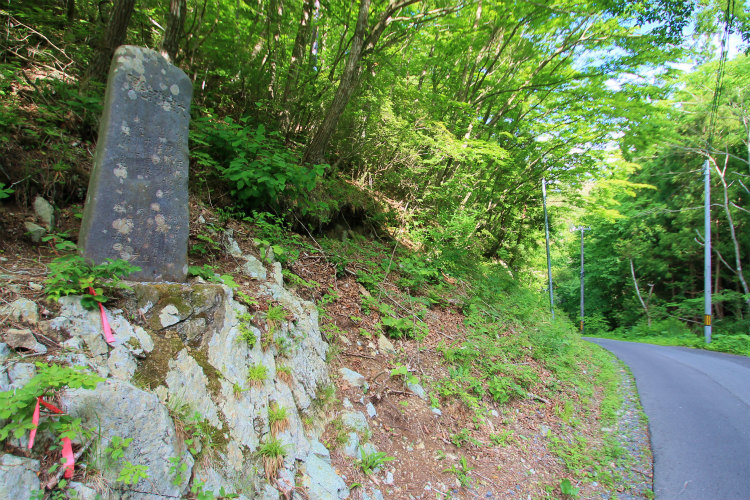
Hundreds of such “tsunami stones” dot the coastal hillsides of Japan. Planted decades or even centuries ago, they commemorate past disasters and warn residents of future ones.
Living in Japan means facing a long history of periodic and unpredictable earthquakes and the tsunamis that follow them. The country is well-prepared, but Tōhoku was still devastating. When a tsunami does hit, age-old questions inevitably resurface about how best to rebuild. Architect Alastair Townsend summarizes the options:
Rebuild on higher land at higher cost in a new location?
Rebuild flood-proof buildings on existing plots?
Rebuild as before and put faith in higher sea walls?
Each choice is problematic. Building higher is difficult in a country where 74% of the land surface is mountainous; stabilizing structures on slopes against earthquakes is also challenging. Flood-resistant housing designs are legislated in Japanese building codes, yet engineering can only do so much against massive walls of water. Seawalls yield mixed results, but did help save some homes and towns during the last big disaster. In short: none of these solutions are perfect.
[…]
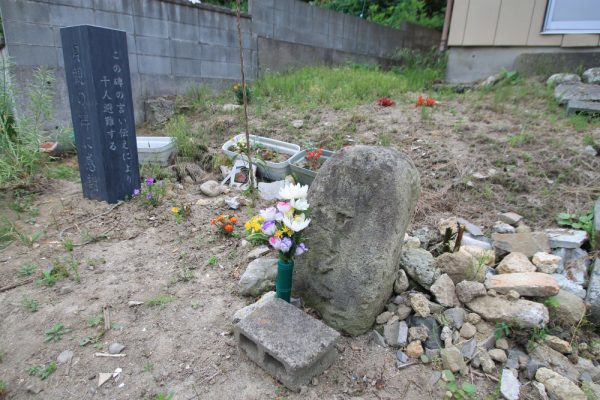
Historical tsunami memorial with washed-out text alongside modern monument by Aska
More: https://99percentinvisible.org/article/tsunami-stones-ancient-japanese-markers-warn-builders-high-water/

 msamba