Manchester Day 2025 – Full Highlights Recap!
Missed the event? Don’t worry — this video captures the best of Manchester Day 2025, held on Saturday 26 July, from the mini-parade on Deansgate to live street performances across the city centre.
👉 Watch mythical creatures, dancers, drummers, West End show tunes, ska bands, parkour artists, and walkabout acts bring the city to life!
Featured highlights:
– Giant dhol drum & dancers
– High Tea with a Twist by Levantes Dance Theatre
– Wrestling stage & magic from Fay Presto
– Live music by Baked a la Ska, Michael Aldag & more
– Walk the Plank performances and free family workshops
📍 Filmed across Manchester city centre
📷 Subscribe for more UK festival & city event highlights!
Chapters
0:00 Highlights
0:16 Mini Parade
7:44 Behind the Scene Clips
Shot on DJI Osmo Pocket 3, Sony a7RC w/Tamron 35-150
The stresses shown in dictionaries are so often different from the reality of English speech. To understand why, we need to unpack STRESS, ACCENT and RHYTHM!
For animations, a big thankyou to Marta at / @3dprintsandleaves
How many parts of speech (word classes) are there? The old classroom list gives us 8 or 9. Around the globe there might be so many more. Quickly meet a long list of possible parts of speech in languages the world over.
The Mixtec script looks like pictures. It’s a writing system. How does it work? What happened to it? Here’s what makes their glyphs unique, even how their usefulness outlasted colonization.
Workers in California’s strawberry fields organize under pictography from the land of their home language: La Mixteca, Oaxaca. Glyphs reaching back 1000 years record the history of a people called the Mixtec (by the Aztec Empire) or Ñuu Dzaui (in their classic language). I’ll animate how this writing system was initially deciphered, how it works, and how it challenges our perspectives on writing. Along the way, I’ll animate some key points that really intrigued me when I read about them in my main sources:
an old colonial map served as a first Rosetta Stone for identifying glyphs
the system’s basic pieces consisted of logograms, tonal puns, puzzles and parallelisms
“Mixtec” script can be considered pure logography, setting it apart even from “Aztec”
reading glyphs required deep understanding of the old language and diverse modern varieties
experts drew a line, putting “true writing” on one side and Mexico’s old scripts on the other
voices close to the scripts replied by nuancing or outright challenging definitions of writing
pictorials use schemas and pieces, needing both deciphered and interpreted in order to be read
pictography wasn’t proto-writing but an advancement, with advantages over phonetic scripts
mistakes reveal who wrote and read the books, and roles they played in pictorial performances
scribes found a way to write multilingually, conveying messages in two languages at once
These insights lead us to end on the relevance of pictography to the community, the ñuu, throughout history. Pictography gained renewed importance under colonialism and, through what my main authors consider a prolonged period of erosion and endurance, continues to echo through the language, culture and artwork.
Thanks for watching. As in the poem title near the end, Ñuu Savi notice how often others speak for them, which happens yet again in this video. Below are links to help their efforts, to connect directly with their perspectives, and to vet my sources in detail.
~ Resources ~
Art, animation and most music by me. My sources document explains and supports claims and gives credit for images, sounds and fonts: https://docs.google.com/document/d/1e…
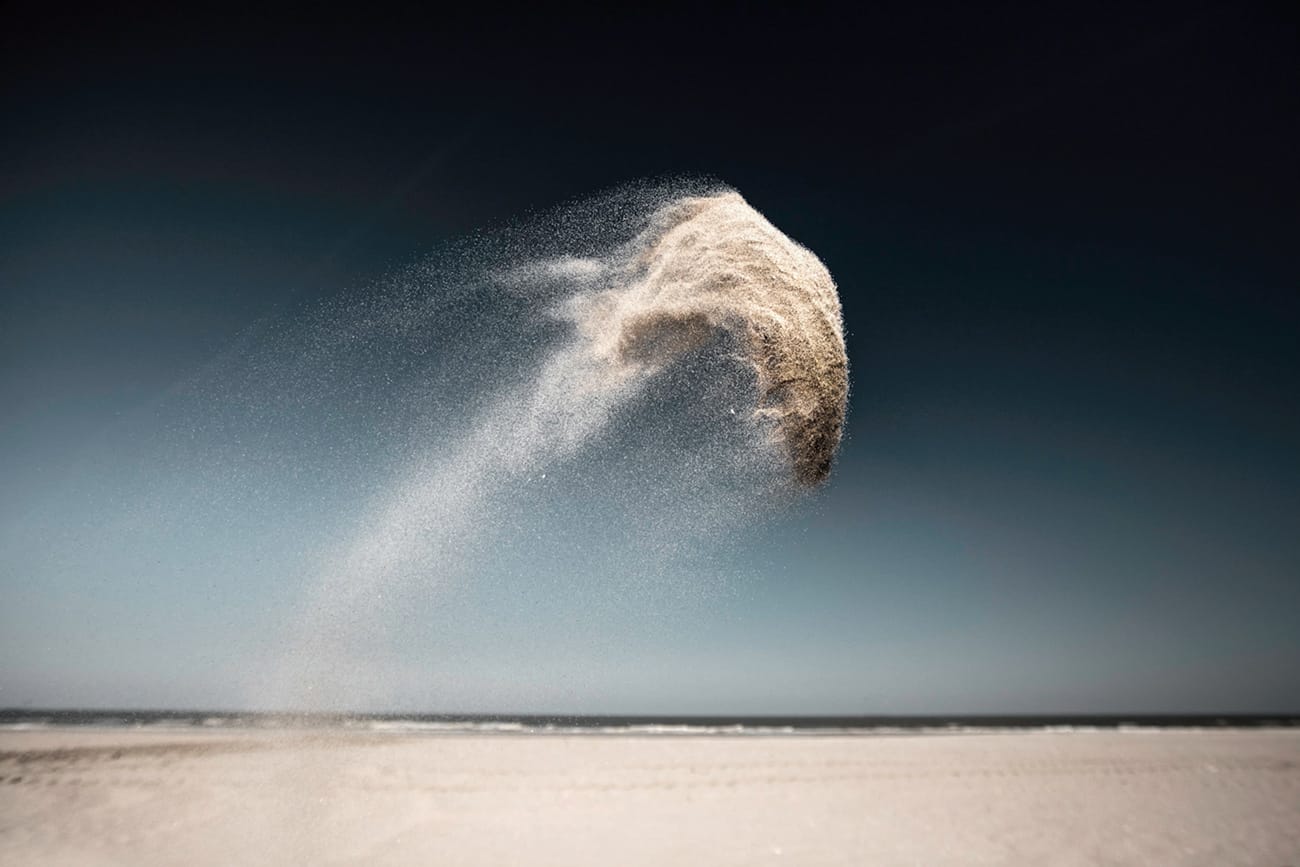
Netherlands-based photographer Claire Droppert (previously) has created a new series of images that depict the silhouettes of animals appearing in clumps of thrown Holland beach sand. Dolphins, snakes, lizards, and other animals in the Sand Creatures II collection defy gravity and float through the air in Droppert’s photographs. The “Gravity Project” highlights natural elements set in nature but unencumbered by the force that keeps them grounded.
“The Sand Creatures series focuses on nature in an unexpected way,” Droppert writes on her website, adding that the “explosive and at times powdery scenes of the grainy sand being thrown into the air can be taken as a manifesting life form” as images of silkworms, cobras, and dogs appear against the backdrop of the horizon and the hazy sky. The photographer has labeled each animal in the series, but the abstract nature of the images gives the viewer some freedom to determine where the boundaries of their anatomies lie.
Prints of Claire Droppert’s photos from this series and others are available to purchase in various sizes from her online shop. To see more of her finished work and a few behind-the-scenes shots, follow her on Instagram.



 msamba