24 Feb 2026 #Cyberpunk #SciFi #FilmAnalysis
What is cyberpunk? From Blade Runner to The Matrix, this video explains the cyberpunk genre’s origins, themes, and lasting cultural impact.
In this video essay, we explore the cyberpunk genre — from its literary origins and defining themes to its influence on film, anime, games, and modern culture.
We’ll cover:
• Where cyberpunk came from (Philip K. Dick, William Gibson, early sci-fi)
• Key cyberpunk themes like corporate control, identity, and surveillance
• How cyberpunk shaped films like Blade Runner, Akira, Ghost in the Shell, and The Matrix
• Why cyberpunk still matters in today’s tech-driven world
If you enjoy deep dives into film genres, sci-fi history, and cultural analysis, subscribe!
00:00 What Is Cyberpunk?
00:41 Origins of the Cyberpunk Genre : Proto-Cyberpunk
02:10 Etymology
05:12 Genre Defining Literary Works
07:11 Cyberpunk Key Themes & Motifs
11:13 Cyberpunk in Film, TV & Games
19:47 Conclusion: Why Cyberpunk Still Matters
🔥 Watch Next
Americans Ruining International Movies for 10 Minutes → [ • These American Remakes Completely Miss the… ]
My Subscribers Picked These Movies…Here’s What I Thought → [ • I Rated Movies My Subscribers Swear are Good ]
The Untold Story of Dune (1984) — What Went Wrong? → [ • The Untold Story of Dune (1984) – What Wen… Y]
The theme for today's #BirdOfTheDay is #StandingInWater.Gone for a bit of an arty one today. Two waders which I think are probably redshanks; bills a bit short for godwits.#birds #photography
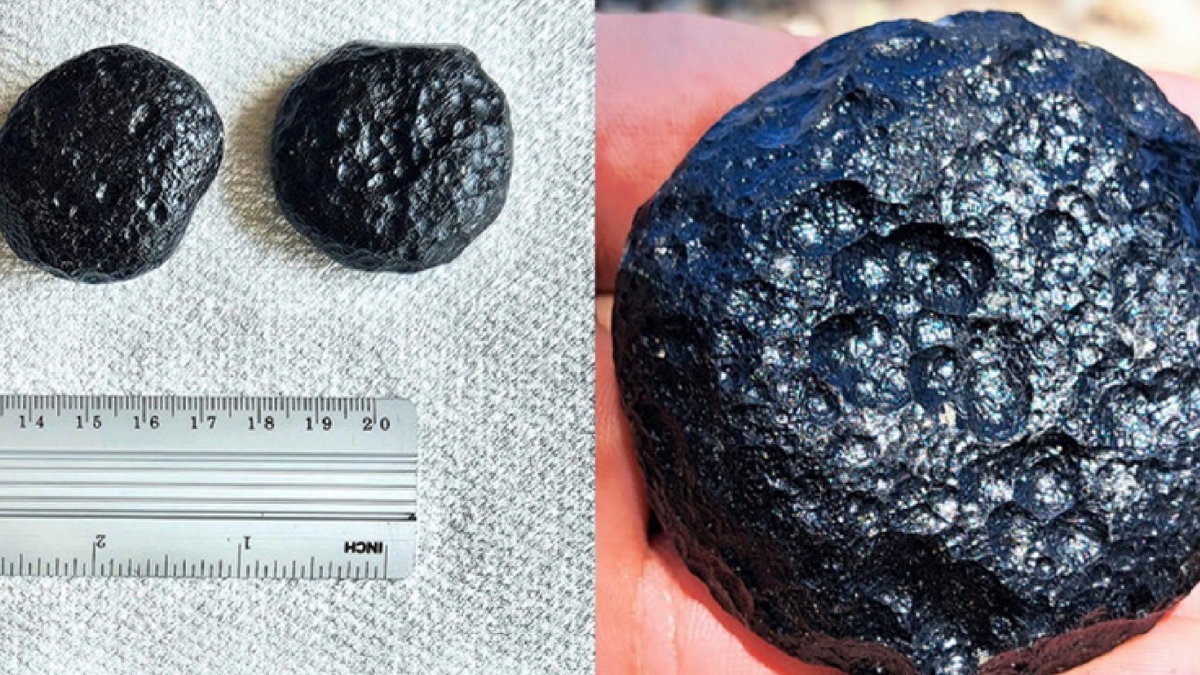
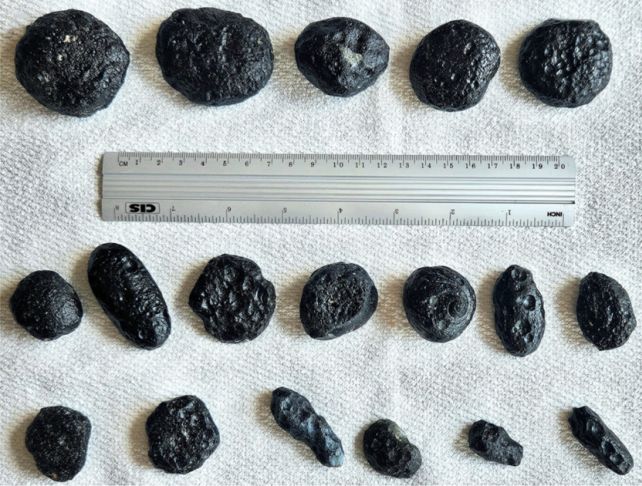
Hundreds of glass fragments found in Brazil are traces of an ancient impact that scattered them millions of years ago, scientists have found.
These blobs of material represent spray from melted rock that was liquefied in the impact, then rapidly cooled and hardened to form pebble-like glass objects, some the size of a pea and others as large as a golf ball, known as tektites.
The resulting tektite strewn field is one of only a handful discovered to date.
“I was very surprised!” geologist Álvaro Penteado Crósta of the University of Campinas in Brazil told ScienceAlert. “Tektites are a very rare material on Earth.”
And, fascinatingly, scientists have yet to identify an accompanying impact crater.
Some of the tektites collected from Brazil. (Crósta et al., Geology, 2025)
Earth’s impact history is a lot murkier than that of other rocky bodies such as the Moon, Mercury, and Mars. Our home planet has tectonic, geological, and atmospheric processes that gradually wear away or obscure the evidence that something large collided with Earth.
One of the fingerprints of an impact can be tektites, which form when a meteorite slams into Earth with enough force to generate temperatures high enough to melt surface rock. These molten blobs are flung into the air, solidifying as blobs of glass that can scatter far from the site of impact.
The area covered by their spread is known as a strewn field, but they’re very rare because of how quickly the tektites degrade – they last just a few tens of millions of years, at most.
The discovery story begins not with scientific fieldwork or laboratory analysis, but with a local resident of Minas Gerais in Brazil. He had found one of the strange glass beads, looked up what it might be, and reached out to meteorite expert Gabriel Silva of the University of São Paulo.
“Although the photos the resident sent us looked like tektites, at first Gabriel and I were skeptical because tektites from other places, like Thailand and the Philippines, can be easily purchased online these days,” Crósta recalled. “Also, tektites and obsidian (volcanic glass) may look similar when seen in photos.”
But then a second report came in some weeks later, from another resident living about 60 kilometers (37 miles) from the first. So the researchers requested some samples. Initial tests suggested the globs could be tektites – after which, of course, the only thing to do was to go to Minas Gerais in person and look for more themselves. […]

 msamba