From the very first settlement in recorded history, early humans knew that to survive in the new age of agriculture, they’d need two things: access to water, and a source of salt. Without salt, our meats and vegetables wouldn’t last long enough to help us survive droughts, monsoons, and long periods between harvests. Our bodies wouldn’t have the necessary nutrients to live, and the entire experiment in building permanent villages might have failed. Salt tells the story of everything- as it was a foundational component of every culture, ever. And the lengths societies went to in order to procure the stuff…well that gave us innovations ranging from commerce to hydraulics to so much more. In this video we look at the origins of the salt trade. The myths and legends surrounding its discovery, and the incredible stories from the earliest days of history all the way to the 20th century that have followed humanity’s long and important love affair with salt.
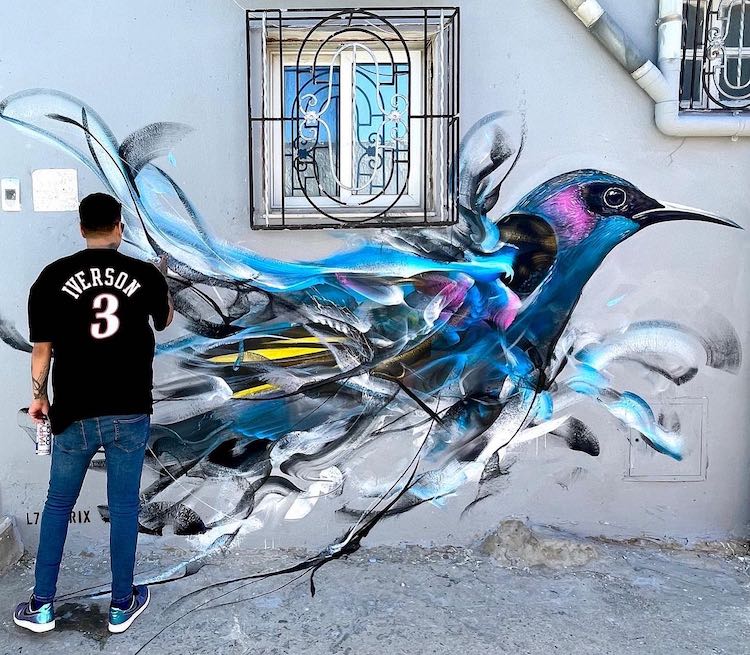
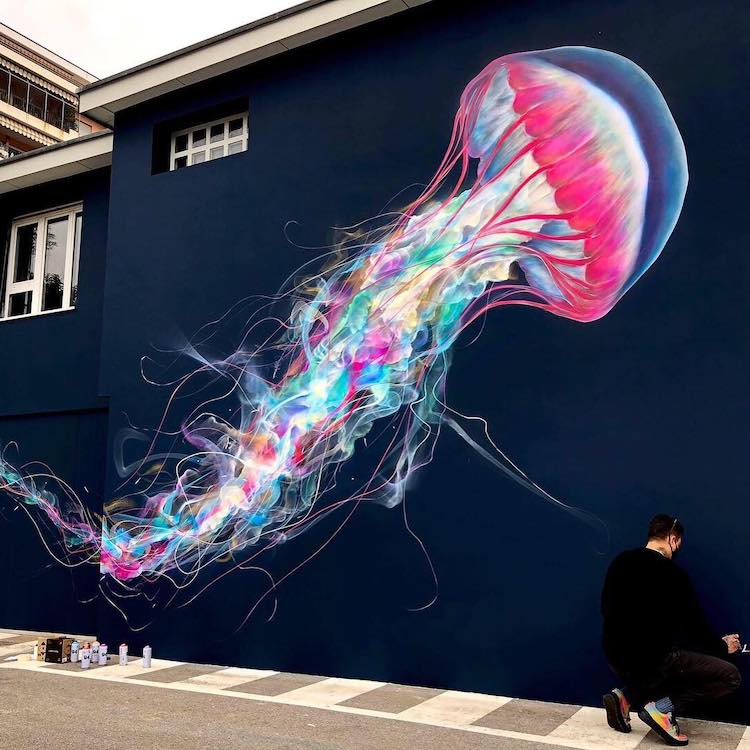
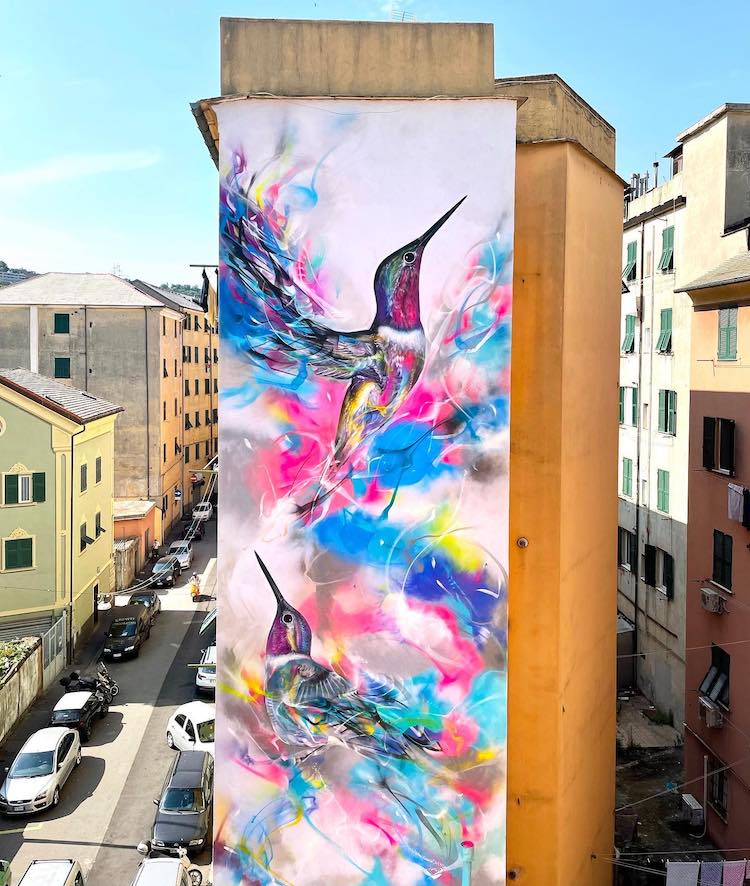
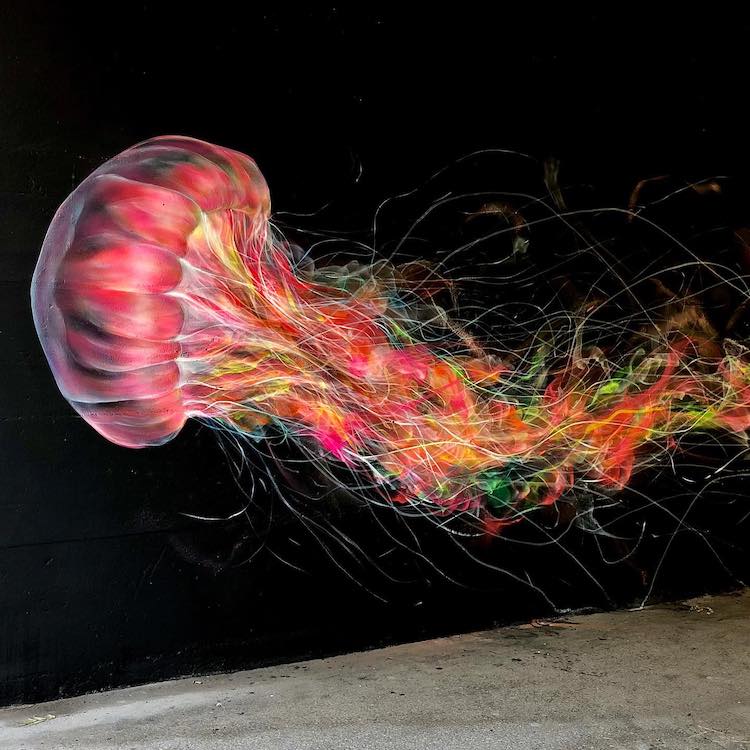
Versailles-based artist L7matrix is known for his expressive street art, with large-scale murals spread across more than 50 countries. Through his vibrant and bold work, he aims to unite people from diverse cultures and regions
L7matrix’s style blends realism with dynamic bursts of color, using spray paint to create sweeping effects that resemble billowing smoke or flames. Every piece he creates feels alive, capturing the movement and energy of his subjects, which often include birds, jellyfish, and human faces. […]
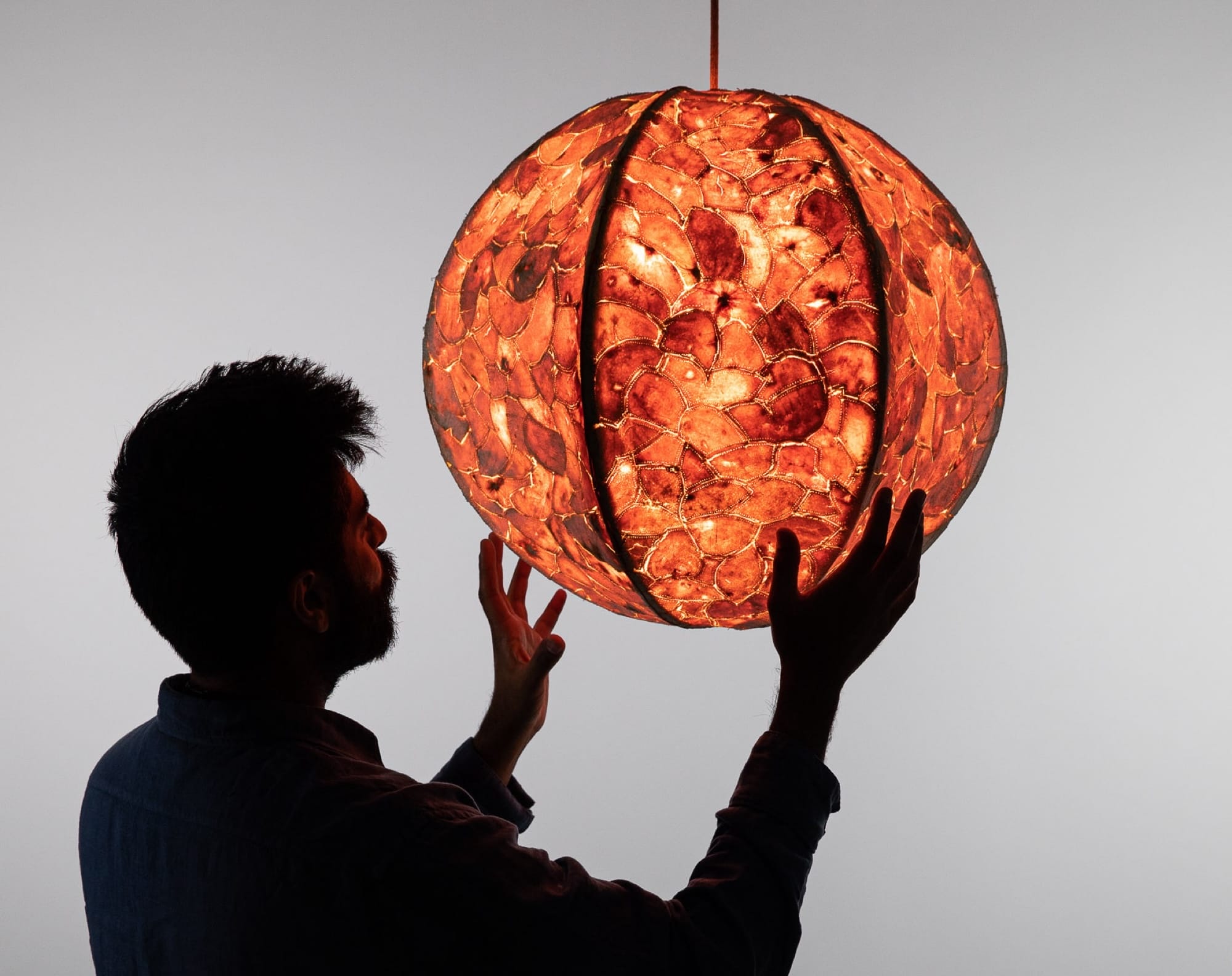
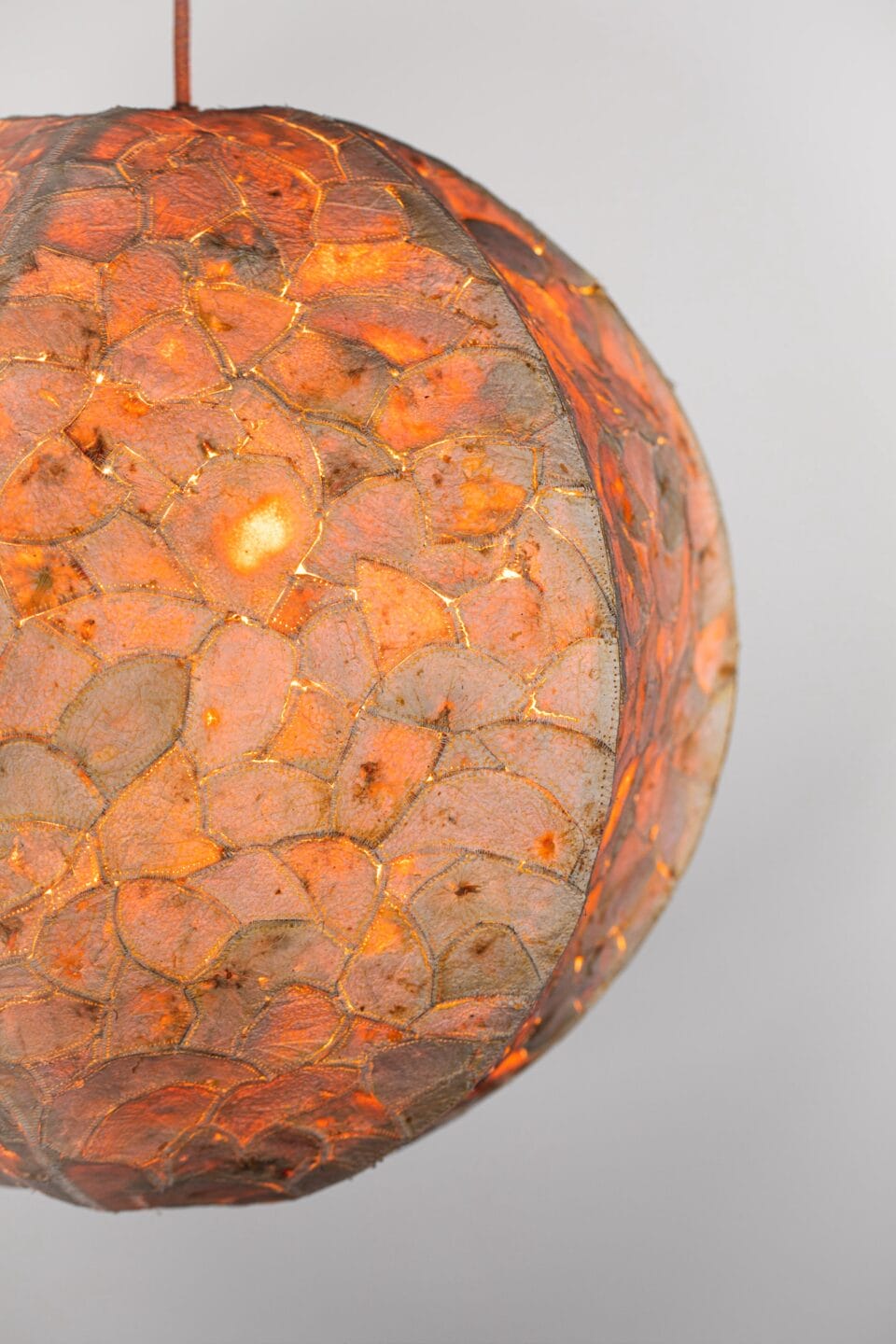
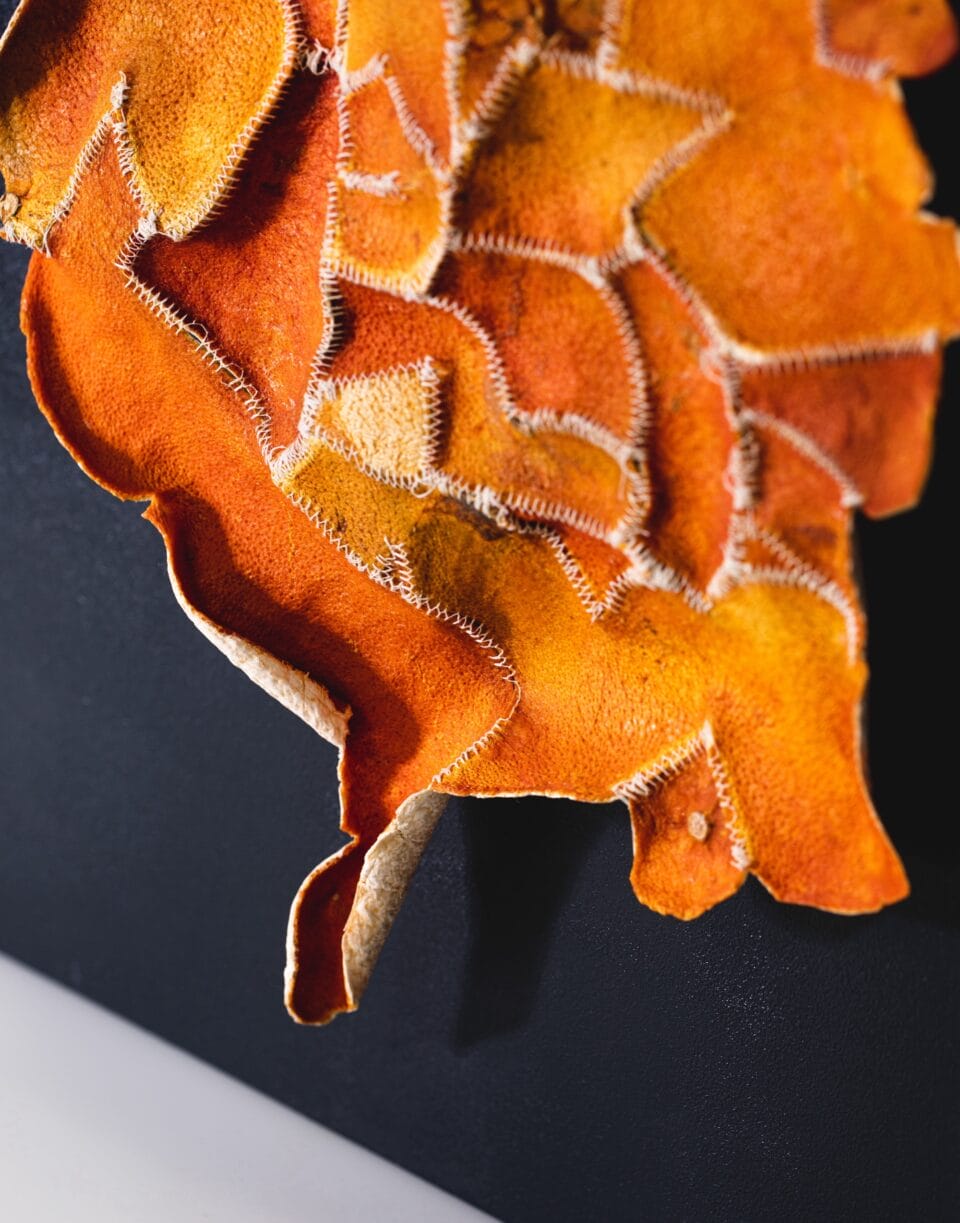
Around the frame of a spherical pendant lamp, designer Alkesh Parmar wraps an unexpected shade. Through Studio Arp, his ongoing project Citrus Sinensis reimagines orange peel waste into a leather-like, organic patchwork fabric that can be applied to an array of functional and decorative objects.
In biological terms, Citrus sinensis refers to the species of sweet citrus achieved by hybridizing pomelos and mandarins to include produce familiar supermarket varieties like Valencia, blood, and navel oranges.
Parmar salvages discarded rinds. In an intentionally low-tech process he calls APeel, he shapes and stitches the pieces together while still pliable. His lighting design, “APeel Skin,” employs the sewn fabric like a natural screen that both softens and warms its glow.
The project simultaneously calls on traditional craft practices like sewing and textiles while pushing the boundaries of objects we might not typically associate with that application.
You may be familiar with ancient cradles of civilisation like the Indus valley, Mesopotamia or Egypt , but what about Romania and Ukraine during the same era, over 6,000 years ago? Europe has its own ancient lost civilisation for us to appreciate and look back on. This is the story of the Cucuteni Trypillians, who created the biggest urban areas on Earth for a brief time at the end of the Neolithic age during the collision of farming and metalworking. This was a special moment in human history, the millennia old memories of a world before metal, were coming into contact with horses, metal and new language groups from the east with different kinds of religion and beliefs than Old Europe. In this video we explore this mysterious culture.
00:00 Beginning
01:27 Land and origins
06:47 Burnings
09:31 A change world
13:01 Vanishing
14:20 Your thoughts?
The Cucuteni Mystery by Albert Butler
Podolian Upland (core of Cucuteni-Trypillia Culture): By Igor Luzhanov – Ukraine_topo_en.jpg, CC BY-SA 3.0, https://commons.wikimedia.org/w/index…
Spread of farming By Detlef Gronenborn, Barbara Horejs, Börner, Ober – htps://www.academia.edu/9424525/Map_Expansion_of_farming_in_western_Eurasia_9600_4000_cal_BC_update_vers_2021_1_, CC BY 4.0, https://commons.wikimedia.org/w/index…