25 Aug 2026 ✪ Members first on 24 August 2026 #ManchesterBuildingBoom #modernarchitecture #SalfordBuildingBoom
Starting from Salford Central Station, we cycle along Trinity Way, the Inner Relief Road or Ring Road in Salford to take a look at Salford city development projects old, recent, new and planned, an interesting mixture of styles on the site of the old Salford. I have a few ‘before and after’ as well as ‘stages of construction’ views.
Salford city development. My Brompton bike ride is of interest to residents, investors, and anyone curious about the changing face of local urban planning in the Salford City Council area. We see how modern Salford architecture contrasts with traditional Salford architecture.
This video provides a look at the ongoing growth within the Greengate district. If you are interested in urban planning or want to see how Salford is changing, the footage offers a direct view comparison of now and the past.
I check out the current state of the city from both from the air and from street-level vantage points.
0:00 Introduction from AidanEyewitness
1:15 Where is Salford on the map?
4:35 Salford Cinema, the Filament and City Point
6:25 Gas Offices 1880
7:00 Obsidian 2026
8:40 Renault site and The Black Friar pub
10:00 Collier Street Baths 2015 photo
11:40 Greengate, site of One Heritage tower
12:50 Colliers Yard residential development
14:20 Greengate photo 2005, Abito and Anaconda Cut tower
15:30 Parkside under construction
At the beginning I establish the location and boundaries of the pre-1974 Salford and the post-1974 Salford in relation to Manchester and Greater Manchester, combining old and new maps. I mention the Anaconda Cut, which is also the name of one of the recent residential towers.
What is the status of the One Heritage Tower? The plot where it is/was to be located has been purchased by Renaker. More in the video.
Subscribe for my regular local development updates, and comment which part of the city you would like to see covered next.
On the AidanEyewitness channel I explore new construction, modern architecture, urban development and local identity in the Manchester and Liverpool city regions as well as connected cities further afield.
I want to highlight what’s good, weigh up the issues and in the comments, provide an opportunity for people to share their opinions, insights and insider information. I try to answer each comment asap, but please be patient if it takes longer.
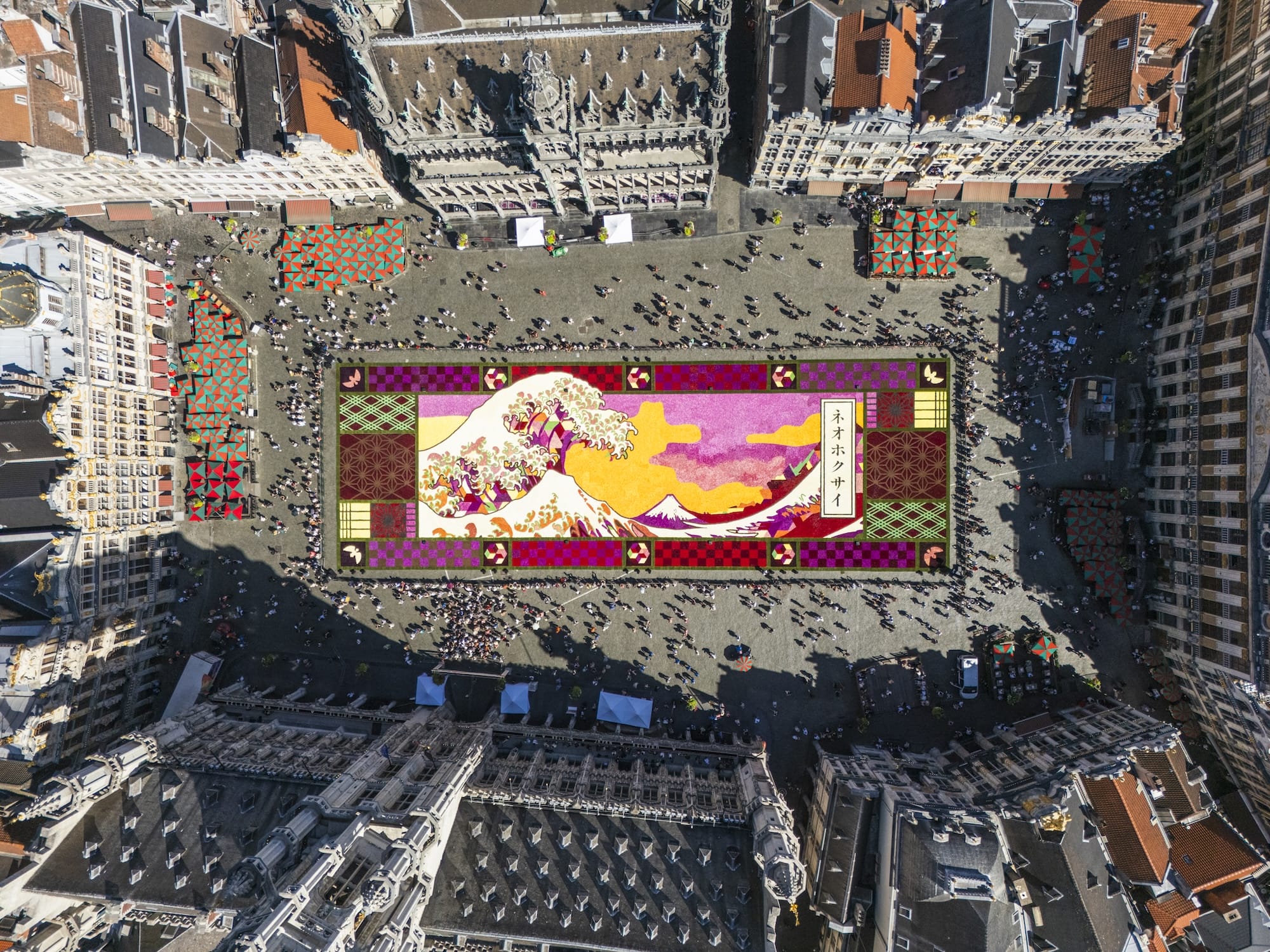
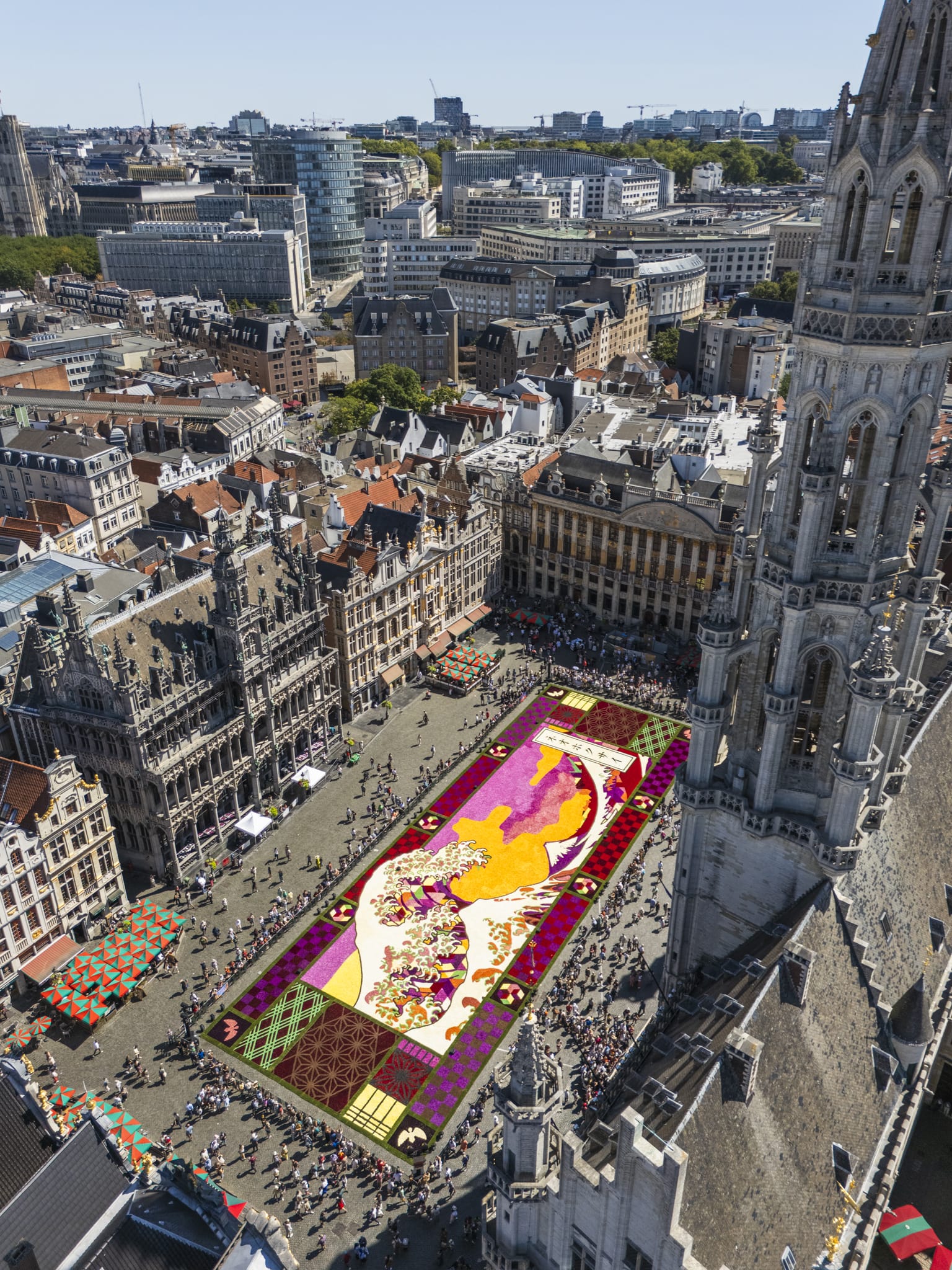
In Brussels’ iconic Grand-Place, a summer tradition literally blossoms in monumental style. The city’s Flower Carpet event, which this year celebrated its 24th edition, celebrates art, community, and diplomacy in the heart of Belgium’s capital, which is also the hub of the European Union. From August 13 to 16, the event marked 160 years of friendship between the nation and Japan, inviting artist Hiro Sugiyama to design a city square-sized composition, which he conceived as a tribute to ukiyo-e artist Katsushika Hokusai.
Titled “Neo Hokusai,” the monumental arrangement comprised more than 750,000 fresh dahlias, covering nearly 14,000 square feet. Framed with ornate patterns, the reimagining of the famous woodblock print “The Great Wave Off Kanagawa,” from Hokusai’s series Thirty-Six Views of Mount Fuji (1830-1832), glows in bright magenta, vermilion, and yellow. Flowers covered about 80 percent of the entire design. […]
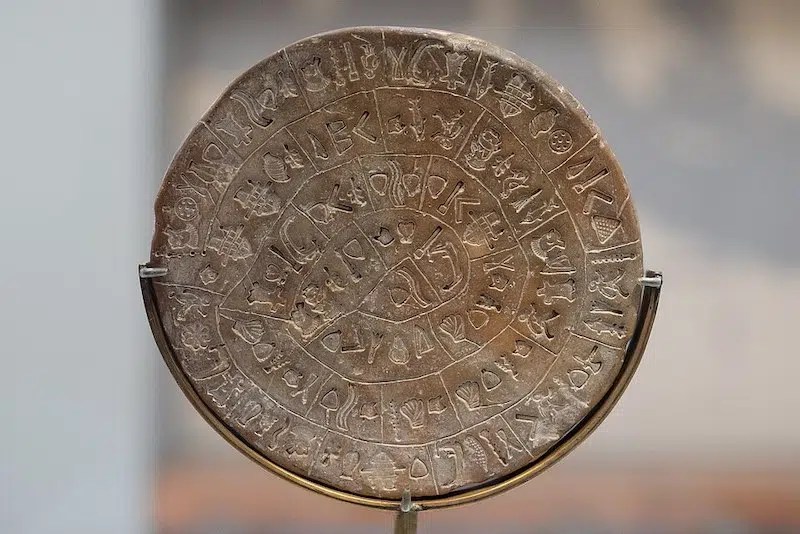
About 7,500 spoken and signed languages exist today. But that number may represent only a fraction of the languages humans once used. A new study suggests that linguistic diversity reached a remarkable peak between 1,000 and 3,000 years ago, when tens of thousands of languages may have coexisted around the world.
Yale University historical linguist Claire Bowern and evolutionary anthropologist Damián Blasi of the Catalan Institution for Research and Advanced Studies led the research with colleagues from the United States, Spain, and Germany. Because written records cover only a small portion of human history, the team used demographic data and computer modeling to estimate how many languages people may have spoken across the Holocene.
The researchers began with ethnographic data from 171 present-day hunter-gatherer and fishing societies. They used the typical population sizes of these groups to estimate the number of ethnolinguistic communities that may have existed around 12,000 years ago, when the global human population numbered roughly 4.4 million to 7 million.
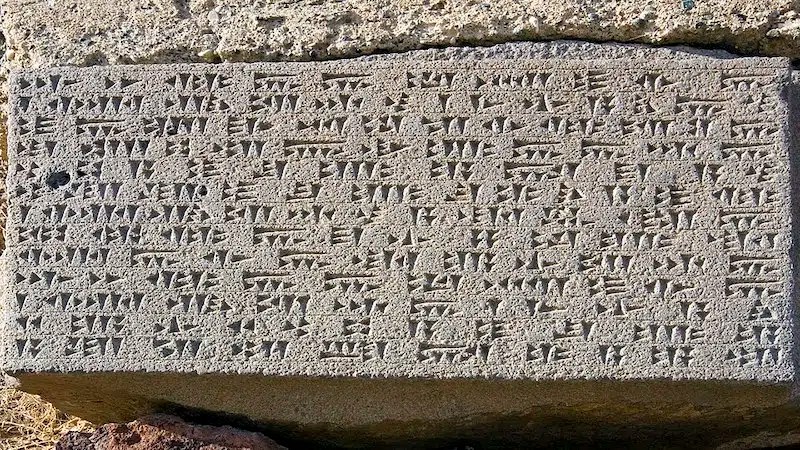
Urartian cuniform. Old tablet. Erebuni, Armenia. (Photo: Wikimedia Commons, Public domain)
The model estimated that humans spoke about 4,500 to 6,200 languages at the beginning of the Holocene. That figure falls below today’s roughly 7,500 spoken and signed languages, challenging the idea that humanity has steadily lost linguistic diversity since the end of the last Ice Age.
As populations expanded and agriculture reshaped communities, language diversity grew. Smaller groups could split from one another, develop distinct identities, and gradually form new languages.
The researchers ran their model thousands of times to trace these changes. Each simulation produced a similar pattern: linguistic diversity climbed for most of the Holocene before reaching a short-lived peak between 1,000 and 3,000 years ago. At that point, tens of thousands of languages may have existed across the globe.
This script was found on the temple walls of the Thanjavur Thanjavur Brihadeeshwarar temple. This is very different from the present Tamil script. (Photo: Wikimedia Commons, CC BY 2.0)
23 Aug 2026
Solar PV installations hit record levels in 2025. Again. But that growth is now at risk of stalling. So how can that possibly be, and what are governments and commerce doing about it?
Help support this channel’s independence at
/ justhaveathink
You can also help keep my brain ticking over during the long hours of research and editing via the nice folks at BuyMeACoffee.com https://www.buymeacoffee.com/justhave…